
Best Espresso Machines For Ground Coffee (KEY FACTORS)
By Jamie — Coffee Equipment Reviewer | Last Updated on January 20, 2026
Note: This page contains affiliate links. As an Amazon Associate, I earn from qualifying purchases when you click on the link, but you are not charged extra.
Espresso has long been celebrated as the drink of choice for coffee connoisseurs and casual sippers alike. Whether you’re a professional barista or an everyday coffee enthusiast, nothing compares to the bold and complex flavors that espresso delivers. At the heart of crafting the perfect espresso lies the espresso machine, a device designed to extract the coffee’s rich oils, compounds, and flavors under high pressure, producing a concentrated shot of coffee that forms the foundation for a variety of beverages.
While there are various types of espresso machines available, one of the most versatile options for coffee lovers is the espresso machine designed for ground coffee. This category of machines allows users to skip the pre-packaged pods and enjoy the rich, authentic taste of freshly ground beans, offering a level of customization that pre-ground coffee or single-serve options simply can’t match.
In this guide, we’ll explore the reasons why choosing an espresso machine for ground coffee might be the best decision for you, offer a comprehensive buyer’s guide, delve into key features to consider, discuss best practices for use, and provide maintenance and cleaning tips to ensure your machine stays in prime condition for years to come.
Best Espresso Machines For Ground Coffee: Comparison Table
| Features | Pros | Cons | |
|---|---|---|---|
Breville Barista Express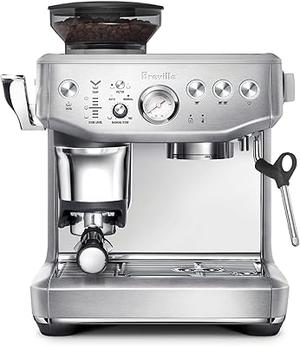 Check Price Check Price |
|
|
|
Gaggia Classic Pro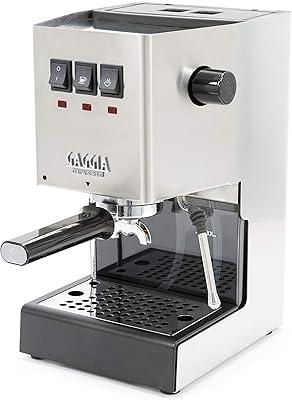 Check Price Check Price |
|
|
|
DeLonghi La Specialista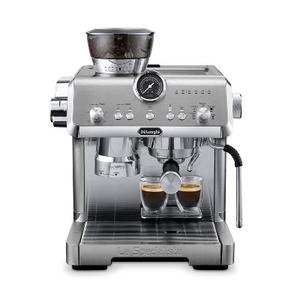 Check Price Check Price |
|
|
|
| Rancilio Silvia Espresso MachineCheck Price |
|
|
|
| Saeco XelsisCheck Price |
|
|
|
Best Espresso Machines For Ground Coffee
Breville Barista Express
The Breville Barista Express is a favorite for those who want the full espresso experience without the hassle of a separate grinder. This machine comes with a built-in burr grinder, so you can grind your beans fresh before each shot. It’s perfect for people who like to fine-tune their espresso strength and milk froth. While it does require some maintenance and takes up a little space, it’s an excellent choice for anyone looking to upgrade their coffee routine without going overboard on complexity or price.
Features:
- Built-in conical burr grinder
- Programmable shot control
- Steam wand for frothing milk
- Compact and sleek design
- Integrated stainless steel thermocoil heating system
Pros:
- Highly customizable espresso strength
- Great for beginners and experienced users
- Quick startup with minimal waiting
- All-in-one machine for grinding and brewing
- Produces high-quality espresso with rich crema
Cons:
- Can be tricky to clean
- Takes up a bit of counter space
- Price point is on the higher side
Gaggia Classic Pro
The Gaggia Classic Pro is a robust and reliable machine that’s been around for a while, and it still holds up in the market. It’s got a sturdy stainless steel body, which makes it both sleek and durable, and it’s perfect for anyone wanting to dive into the world of manual espresso brewing. With the commercial-style steam wand, you can easily make lattes or cappuccinos, but it does take a bit of practice to master. It’s a no-frills machine that provides great espresso at a reasonable price, especially for those who already have a good grinder.
Features:
- Stainless steel body
- Commercial-style steam wand
- Quiet operation
- User-friendly controls
- Manual espresso brewing
Pros:
- Durable and built to last
- Produces consistent shots
- Great for latte art with the steam wand
- Affordable compared to similar machines
Cons:
- Requires a bit of practice to perfect shots
- No integrated grinder
- Steam wand can be tricky for beginners
DeLonghi La Specialista
The DeLonghi La Specialista is an espresso machine that’s all about convenience while still delivering fantastic espresso. It comes with sensor grinding technology to make sure your grind is just right every time and a smart tamping station to ensure consistent pressure for each shot. It’s easy to use with a touch-screen interface and heats up quickly. While it’s perfect for beginners, some purists might miss the ability to fully control the brewing process. But if you’re looking for a hassle-free espresso experience, this machine is a winner.
Features:
- Sensor grinding technology
- Smart tamping station
- Dual heating system
- Touchscreen controls
- Fast heat-up time
Pros:
- Super easy to use
- Consistent and precise shots
- Ideal for beginners who want advanced features
- Great for milk frothing
Cons:
- Doesn’t offer full manual control
- Quite bulky
- Expensive compared to basic models
Rancilio Silvia Espresso Machine
The Rancilio Silvia is a machine made for those serious about espresso. It’s built like a tank with commercial-grade components, meaning you can expect it to last. It’s ideal for more experienced users who appreciate the manual control and who want the ability to pull rich, intense shots. The steam wand is excellent for creating frothy milk for lattes or cappuccinos. However, this machine comes with a hefty price tag and might be overkill if you’re just starting out in the world of espresso.
Features:
- Commercial-grade components
- Powerful steam wand
- Large water reservoir
- Durable stainless steel construction
- Simple controls
Pros:
- Great for experienced baristas
- Produces rich, full-bodied espresso
- Built to last for years
- Solid steam power for milk frothing
Cons:
- Expensive
- Takes up significant counter space
- Steam wand requires some skill to handle properly
Saeco Xelsis
The Saeco Xelsis is a top-of-the-line espresso machine that almost does everything for you. It has a sleek touchscreen interface and offers tons of customization options for both coffee and milk frothing. If you like having control over every little detail of your espresso drink but don’t want to deal with grinding beans or tamping, this machine is a dream. It’s perfect for a busy household or office, but the price and size might be overkill if you’re just after something simple.
Features:
- Touchscreen interface
- Adjustable milk frothing
- Wide range of customizable settings
- Built-in ceramic grinder
- Automatic cleaning system
Pros:
- Highly automated
- Great for people who like to customize every aspect of their drink
- Produces high-quality coffee with minimal effort
- Very easy to clean
Cons:
- Very expensive
- Large and heavy
- Not ideal for those who want a hands-on brewing experience
Reasons To Choose Espresso Machines For Ground Coffee
There are several compelling reasons why opting for an espresso machine designed for ground coffee makes sense for many coffee drinkers. The most significant advantages include:
- Freshness and Flavor: The freshest coffee is always made from freshly ground beans. Pre-ground coffee, no matter how finely ground, loses its flavor over time as the oils and aromas dissipate. Espresso machines designed for ground coffee allow you to grind the beans just before brewing, preserving the flavors and creating a much richer, fuller cup.
- Customization: When you use ground coffee, you have complete control over the grind size, blend, and amount of coffee used. This means you can fine-tune your espresso shots, adjusting to your personal taste preferences for strength, bitterness, and even the coffee’s overall flavor profile.
- Cost-Effective: While espresso pods and capsules offer convenience, they tend to be far more expensive over time than ground coffee. By switching to ground coffee, you’ll save money in the long run, as you won’t be locked into purchasing specialty pods from specific brands.
- Sustainability: Espresso machines for ground coffee are generally more eco-friendly. Pods contribute to a significant amount of waste, whereas ground coffee can be composted, and the espresso machine itself is reusable. In an age of growing environmental concern, switching to ground coffee is a step toward a greener coffee-drinking habit.
- More Control Over Quality: When you buy espresso coffee beans, you have the opportunity to choose from a wide variety of brands, blends, and single-origin beans. You can experiment with different roasts, strengths, and types of beans, offering a much broader range of flavors than what is available through pod-based espresso systems.
Buyer Guide For Espresso Machines For Ground Coffee
When looking to purchase an espresso machine for ground coffee, there are several factors that need to be considered. The market offers a broad spectrum of machines, from entry-level models to high-end professional machines. Here’s how you can navigate the landscape:
-
Type Of Espresso Machine
- Manual Espresso Machines: These are for the purist who enjoys the hands-on experience of crafting espresso. They require a level of skill and knowledge about tamping, water temperature, and extraction times. Ideal for those who want full control over their brew.
- Semi-Automatic Espresso Machines: These machines strike a balance between ease of use and control. The user is responsible for grinding, tamping, and sometimes pulling the shot, but the machine does most of the heavy lifting in terms of water temperature and pressure.
- Automatic Espresso Machines: These are perfect for those who want convenience with a touch of customization. They allow for adjustments in grind size, shot volume, and sometimes temperature, but they handle the actual brewing process with minimal input from the user.
- Super-Automatic Espresso Machines: These machines are the most hands-off. They grind, tamp, brew, and even clean themselves, offering convenience and consistency at the expense of some customization options.
- Price Range: Espresso machines for ground coffee vary widely in price. Entry-level machines can be found in the $100 to $300 range, while mid-tier models often range from $300 to $800. High-end machines can surpass $1,000, especially if they come with features like advanced temperature control, integrated grinders, and professional-level components. Determine your budget before making a decision, and remember that a higher price usually indicates better quality and more features.
- Grinder Compatibility: Many espresso machines allow for the use of an external grinder. However, some models come with built-in grinders, which can be a convenient option. Machines with integrated grinders ensure that the beans are freshly ground before every shot. If the machine doesn’t come with a grinder, you’ll need to purchase one separately, which adds to the total cost.
- Size and Design: Espresso machines come in a range of sizes, from compact models ideal for small kitchens or apartments to larger, more robust machines for those who have the space and are brewing multiple shots at once. Consider how much space you have on your counter and whether you prefer a more traditional or modern design.
- Ease of Use and Control: Some espresso machines feature user-friendly interfaces with clear buttons and displays, while others require a bit of knowledge to operate efficiently. Read reviews and watch demo videos to get a sense of how intuitive the machine is. Machines with clear instruction manuals and helpful guides will ease the learning curve.
Key Features To Consider
When buying an espresso machine for ground coffee, there are several features that can affect the quality of your coffee and the overall user experience. Some of the most important ones include:
- Pressure: Espresso requires a pressure of at least 9 bars to extract the coffee correctly. Machines with a higher pressure rating generally produce better, more consistent results.
- Heating System: The type of heating system used (e.g., boiler or thermoblock) will determine how quickly the machine heats up and how stable the temperature remains during brewing. Machines with dual boilers or PID controllers are ideal for ensuring precise temperature control.
- Steam Wand: For those who enjoy lattes or cappuccinos, a high-quality steam wand is essential for frothing milk. A good steam wand will have enough power to create microfoam, which is necessary for crafting a velvety, creamy texture.
- Build Quality: Look for machines made with stainless steel or other high-quality materials. The build quality often correlates with longevity and consistency.
- Ease of Cleaning: Espresso machines can require regular maintenance to perform at their best. Look for machines that are easy to clean, with removable parts such as drip trays, portafilters, and steam wands.
Best Practices
To get the most out of your espresso machine, following a few best practices is essential:
- Fresh Coffee Beans: Always use freshly roasted beans, and grind them just before brewing to preserve the flavors.
- Correct Grind Size: For espresso, the grind size should be very fine-think powdered sugar. Too coarse a grind will result in weak espresso, while too fine a grind can clog the machine.
- Proper Tamping: When tamping, make sure the coffee grounds are evenly compressed in the portafilter to ensure a consistent extraction.
- Consistent Water Temperature: Water temperature should be between 190-200°F (88-93°C). Too hot or too cold water will negatively affect the flavor.
- Clean Your Machine Regularly: Always clean the portafilter, drip tray, and steam wand after every use to prevent any coffee residue from affecting the flavor of future shots.
Maintenance And Cleaning Guidelines
A well-maintained espresso machine will provide you with consistent and flavorful espresso for years to come. Here’s how to care for your machine:
- Daily Cleaning: Wipe down the machine after each use, including the portafilter, drip tray, and steam wand. Run water through the machine to clean the internal components and remove any residual coffee oils.
- Weekly Cleaning: Soak the portafilter and group head in warm water to remove any coffee oils that build up. Use a cleaning brush to scrub the machine’s group head.
- Monthly Cleaning: Descale the machine using a descaling solution or a mixture of vinegar and water to remove mineral buildup.
- Deep Cleaning: If your machine has a built-in grinder, make sure to clean the burrs regularly to prevent stale grounds from affecting the taste of your coffee.
Best Places To Buy Espresso Machines For Ground Coffee
Finding the right place to purchase an espresso machine is crucial to ensure you get the best deal and after-sales service. Here are some excellent options:
- Specialty Coffee Retailers: Stores like Williams Sonoma, Sur La Table, and Bed Bath & Beyond offer a wide range of espresso machines, often with expert staff who can provide personalized recommendations.
- Online Marketplaces: Websites like Amazon, eBay, and specialty coffee equipment sites such as Whole Latte Love and Seattle Coffee Gear offer extensive selections and competitive pricing.
- Direct from Manufacturers: Brands like Breville, Gaggia, and Rancilio sell their machines directly from their websites, sometimes offering exclusive deals or warranties.
- Local Coffee Shops or Showrooms: Many local coffee shops or showrooms may offer high-quality espresso machines, and buying directly from these places allows you to ask questions and get hands-on demonstrations.
Wrapping Up
Choosing the right espresso machine for ground coffee involves a thoughtful balance of features, price, and personal preference. By considering factors like machine type, grind quality, and ease of use, you’ll be well on your way to becoming a home espresso expert. Remember, a great espresso machine is an investment, both in the machine itself and the beans you choose to brew with.