
Best Vintage Coffee Machines (KEY FACTORS)
By Jamie — Coffee Equipment Reviewer | Last Updated on January 11, 2026
Note: This page contains affiliate links. As an Amazon Associate, I earn from qualifying purchases when you click on the link, but you are not charged extra.
In the world of coffee lovers, there’s something uniquely appealing about vintage coffee machines. They offer more than just a caffeine fix-they transport us to an earlier time when coffee was more than a ritual, it was a cherished experience. Vintage coffee machines are timeless in both design and function, making them stand out in the crowded coffee maker market today. From classic espresso machines to antique drip brewers, these machines capture the essence of old-world craftsmanship while delivering a cup of coffee that feels like a piece of history.
However, the allure of vintage coffee machines goes beyond nostalgia. There’s an undeniable sense of craftsmanship and individuality that modern machines often lack. For those who appreciate quality, style, and a deep connection to the past, vintage coffee machines provide a unique way to enjoy coffee. Whether you are an avid collector, a barista enthusiast, or someone who simply enjoys the ritual of brewing, vintage coffee machines are worthy of consideration.
This guide delves into the world of vintage coffee machines, exploring why they remain popular, the factors to consider when buying one, how to use them effectively, and how to keep them in top condition. We’ll also give you advice on where to find the best vintage models and highlight some key tips to make your experience with these machines truly enjoyable.
Best Vintage Coffee Machines: Comparison Table
| Features | Pros | Cons | |
|---|---|---|---|
La Pavoni Europiccola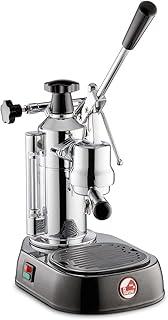 Check Price Check Price |
|
|
|
| Faema E61Check Price |
|
|
|
| Gaggia ClassicCheck Price |
|
|
|
| Rancilio SilviaCheck Price |
|
|
|
| Olympia CreminaCheck Price |
|
|
|
Best Vintage Coffee Machines
La Pavoni Europiccola
If you’re a fan of the old-school espresso experience, the La Pavoni Europiccola is your golden ticket. This manual lever machine is a true beauty, with its shiny chrome finish and sleek design that oozes vintage charm. It’s ideal for those who love the hands-on approach, allowing you to get every ounce of flavor from your espresso. However, it’s definitely a bit of a learning curve, so don’t expect a push-button experience. But if you’re willing to invest the time to master it, this machine can deliver some of the best espresso you’ll ever taste.
Features:
- Lever action
- Manual espresso machine
- Built-in steam wand
- Polished chrome finish
- Capacity of 8 cups
Pros:
- Classic retro style
- Durable and high-quality build
- Produces rich, flavorful espresso
- Perfect for enthusiasts looking to master espresso techniques
Cons:
- Requires skill to use
- No automated features
- Takes time to heat up
- Needs regular maintenance
Faema E61
The Faema E61 is the epitome of vintage espresso machines, known for its groundbreaking design and robust performance. Released in the 1960s, it introduced the famous E61 group head, which ensured a more stable brew temperature, making it an absolute game-changer in espresso quality. While it’s a heavy-duty piece of equipment that’s still admired by coffee lovers and professionals alike, be prepared for a bit of upkeep. It’s not the most user-friendly for beginners, but if you want a machine with real character, the E61 delivers time and again.
Features:
- Semi-automatic
- Stainless steel body
- Built-in pump
- Iconic E61 group head
- 3-liter boiler capacity
Pros:
- Revolutionary design
- Produces consistent shots of espresso
- Solid build quality
- Still widely respected in cafes today
Cons:
- Heavy and bulky
- Expensive
- Needs regular maintenance
- Not as easy to use as modern machines
Gaggia Classic
The Gaggia Classic is an iconic choice for anyone looking for a solid, no-nonsense espresso machine with vintage appeal. While it’s not the most high-tech machine around, its simplicity is what makes it so beloved. With a stainless steel body and a reputation for creating café-quality espresso, it’s perfect for anyone who wants to get serious about their coffee without spending a fortune. It’s not quite as feature-packed as some of the newer models, but its straightforwardness and reliability make it a great vintage choice for both newcomers and seasoned coffee lovers.
Features:
- Semi-automatic
- Commercial-style espresso
- Stainless steel exterior
- Pressurized portafilter
- 15-bar pump
Pros:
- Affordable
- Reliable performance
- Sleek design
- Great for beginners and pros alike
Cons:
- Small water reservoir
- Limited steam power
- No PID temperature control
- Can be noisy
Rancilio Silvia
The Rancilio Silvia is one of the best-known vintage-inspired espresso machines for good reason. It’s built to last, made with a combination of commercial-grade parts and a sleek stainless steel exterior. This machine has the ability to produce great espresso, paired with a steam wand that can froth milk like a pro. While it’s a bit of a slow starter and can be a bit noisy, it’s solid in every way. If you’re ready to put in the effort to learn its quirks, you’ll be rewarded with rich, velvety espresso every time.
Features:
- Semi-automatic
- Commercial-grade components
- Stainless steel body
- 3-liter water reservoir
- Powerful steam wand
Pros:
- Built to last
- Produces great espresso and steamed milk
- Highly customizable
- Compact and durable
Cons:
- Requires experience to get the best shots
- Can be slow to heat up
- Small drip tray
- Noisy operation
Olympia Cremina
The Olympia Cremina is as timeless as it gets when it comes to vintage espresso machines. This manual lever machine isn’t just about looks (though the design is incredibly elegant), it’s built to deliver a truly exceptional shot of espresso. There’s no plastic here-just solid stainless steel through and through. It requires a little practice to master, but once you do, it’s one of the best ways to experience the art of espresso-making. It’s not the cheapest machine on the market, but for those who appreciate the craftsmanship and ritual of brewing, it’s a worthy investment.
Features:
- Manual lever operation
- Compact design
- Made in Switzerland
- Stainless steel construction
- No plastic components
Pros:
- Elegant design
- Extremely durable
- Produces exceptional espresso
- Simple to use once you get the hang of it
Cons:
- Expensive
- Takes practice
- Limited automation
- Can be inconsistent for beginners
Reasons To Choose Vintage Coffee Machines
There are several compelling reasons why many coffee aficionados gravitate toward vintage coffee machines. Below, we explore these reasons in greater detail:
Quality Craftsmanship And Durability
Vintage coffee machines were often built with a level of craftsmanship that’s hard to find today. They were made to last, using high-quality materials such as brass, stainless steel, and polished wood. Unlike the plastic-heavy designs of modern machines, these machines were often hand-assembled with a focus on long-term performance. As a result, many vintage models still work perfectly well today, decades after they were made.
Unique Aesthetic Appeal
The aesthetic of vintage coffee machines is one of their strongest selling points. These machines often feature intricate metalwork, polished finishes, and retro designs that bring an element of elegance and nostalgia to any kitchen or café. Whether it’s the sleek lines of a 1950s espresso machine or the charming simplicity of a mid-century drip coffee maker, these machines elevate the atmosphere of your space.
Authentic Coffee Experience
Vintage machines often provide a more hands-on approach to brewing, allowing enthusiasts to engage with the process in a way that modern automatic machines simply cannot replicate. For example, vintage espresso machines may require manual tamping of the coffee grounds, careful monitoring of pressure, and temperature control. This level of engagement can create a more rewarding and authentic coffee experience, one that emphasizes the artistry and precision of brewing.
Sustainability
Opting for a vintage coffee machine can also be an environmentally friendly choice. Rather than purchasing new machines, many coffee lovers are choosing to buy secondhand vintage models, which helps reduce the demand for new resources and minimizes waste. With proper care and maintenance, vintage machines can have a much longer lifespan than many modern machines, making them a sustainable investment in the long run.
Increased Value Over Time
In many cases, vintage coffee machines can increase in value over time. Collectors and enthusiasts are often willing to pay a premium for well-maintained or rare models, so buying a vintage coffee machine can be seen as a valuable investment. Some iconic brands, like Faema, Olympia, and La Pavoni, produce machines that are highly coveted by collectors and can fetch significant sums at auction or through specialty retailers.
Buyer Guide For Vintage Coffee Machines
When purchasing a vintage coffee machine, there are several important factors to keep in mind to ensure you’re making a sound investment. Here’s a buyer’s guide that will help you navigate the process:
Determine Your Brewing Preferences
Before purchasing a vintage coffee machine, consider what type of coffee you prefer. Do you enjoy espresso? Are you a fan of drip coffee? Or do you love the complexity of manual pour-over brewing? Vintage coffee machines come in various styles, from stovetop moka pots to sophisticated lever espresso machines. It’s important to choose a machine that aligns with your coffee-drinking preferences.
Assess The Condition
The condition of a vintage coffee machine is crucial. Some machines may be in near-new condition, while others may require repairs or restoration. Look for signs of wear and tear, such as rust, cracks, or missing parts. It’s also important to ask about the machine’s maintenance history. Has it been serviced regularly? Has it been modified in any way?
Check For Original Parts
Many vintage coffee machines are worth more if they still have their original parts. Replacing essential components like the group head, boiler, or pressure gauge with modern substitutes may reduce the machine’s value. When shopping for a vintage coffee machine, ensure that the machine is as close to its original configuration as possible, and inquire if any parts have been replaced or modified.
Price Range
Vintage coffee machines can vary widely in price, depending on factors such as brand, condition, rarity, and age. Be prepared to pay a premium for models from iconic brands like La Marzocco, Faema, or Rancilio, especially if they are in excellent condition. While it’s tempting to bargain for a deal, keep in mind that a well-maintained vintage coffee machine can be a long-term investment, both in terms of quality and value.
Where You Buy Matters
The place where you buy a vintage coffee machine is just as important as the machine itself. Established dealers, specialty coffee shops, and antique shops with a focus on coffee equipment are often the best places to find authentic vintage machines. Online marketplaces, such as eBay or specialized forums, can also be a good source, but make sure to ask the seller for detailed photos, descriptions, and any relevant information about the machine’s condition.
Key Features To Consider
Not all vintage coffee machines are created equal. When shopping for one, here are some essential features to look for:
Material Construction
Vintage coffee machines were often made from heavy-duty metals like brass, copper, or stainless steel. These materials not only contribute to the machine’s durability but also enhance the aesthetic appeal. Look for machines that feature solid metal construction, as these will last longer and look better over time.
Boiler Size And Type
The size of the boiler plays a major role in the performance of a coffee machine. Vintage machines, especially those made for espresso, typically feature larger boilers that provide consistent heat for making espresso or steaming milk. Consider the type of boiler-single, double, or multiple boilers-as it affects the machine’s overall capacity and versatility.
Pressure Mechanism
Vintage espresso machines often use a lever system or a piston-driven mechanism to generate the pressure needed for extracting espresso. These manual systems require skill and patience but can produce a rich and flavorful shot. Machines with automatic pressure regulation or rotary pumps can also be found, though they may be more common in high-end commercial machines.
Ease Of Repair And Availability Of Parts
Some vintage coffee machines may have become more difficult to repair due to the scarcity of replacement parts. When buying, make sure that the machine you’re considering has accessible parts, either through the original manufacturer or third-party suppliers. Popular brands often have dedicated repair services or online communities to help with maintenance.
Best Practices
Using a vintage coffee machine requires more care and attention than a modern one. Here are some best practices for getting the most out of your vintage machine:
- Preheat the Machine: Always preheat your vintage coffee machine to ensure that the water temperature remains consistent throughout the brewing process.
- Use Fresh, High-Quality Coffee: Vintage machines are built to extract the best flavors from your coffee beans, so make sure to use freshly ground, high-quality coffee for the best results.
- Manual Brewing: Engage with the process-especially for lever machines. Practice your tamping, pressure control, and extraction times to perfect your technique.
- Adjust for Consistency: Vintage machines may not be as precise as modern ones, so you may need to make slight adjustments in your brewing routine for consistent results.
Maintenance And Cleaning Guidelines
Maintaining your vintage coffee machine is crucial to ensuring its longevity and optimal performance. Here are some essential maintenance tips:
- Descale Regularly: Over time, mineral deposits from water can build up inside the machine. Descaling your machine every few months will help keep the internal components running smoothly.
- Clean the Group Head and Portafilter: After each use, make sure to clean the group head and portafilter to prevent old coffee oils and residue from affecting the flavor of future brews.
- Inspect Gaskets and Seals: Vintage machines are more prone to wear on gaskets and seals. Regularly check for any signs of leaks or reduced pressure and replace these parts as needed.
- Lubricate Moving Parts: If your machine has any moving parts, such as a lever or piston, lubricate them regularly to prevent rust and ensure smooth operation.
Best Places To Buy Vintage Coffee Machines
- Specialty Coffee Shops: Some high-end coffee retailers specialize in vintage machines and refurbished models.
- Antique Stores: Local antique stores often carry well-preserved coffee machines from past decades.
- Online Marketplaces: Websites like eBay, Etsy, and specialist forums dedicated to coffee equipment are great places to find vintage coffee machines.
- Estate Sales and Auctions: Estate sales and auctions can sometimes yield rare and valuable vintage machines at competitive prices.
Wrapping Up
Vintage coffee machines offer a unique opportunity to combine craftsmanship, functionality, and history in your coffee-making routine. These machines are not just about brewing coffee-they’re a celebration of the art and tradition of coffee culture. However, finding the right machine requires careful consideration of condition, features, and the type of coffee you enjoy.