
Best Commercial Espresso Machines For Small Coffee Shop (KEY FACTORS)
By Jamie — Coffee Equipment Reviewer | Last Updated on January 14, 2026
Note: This page contains affiliate links. As an Amazon Associate, I earn from qualifying purchases when you click on the link, but you are not charged extra.
Opening a small coffee shop is an exciting venture, one that blends passion with entrepreneurial spirit. For many coffee enthusiasts and aspiring business owners, the heart of the coffee shop is the espresso machine. An espresso machine is not just a tool; it is the centerpiece of the coffee-making experience, driving the flavor, quality, and overall ambiance of the shop. While there are several factors to consider when selecting equipment, commercial espresso machines hold a special place in the world of specialty coffee. In this guide, we will delve deeply into why these machines are crucial for small coffee shops, how to choose the right one, and what makes certain features stand out. Whether you’re just starting or looking to upgrade, this guide will help you make informed decisions about your coffee shop’s espresso needs.
Best Commercial Espresso Machines For Small Coffee Shop: Comparison Table
| Features | Pros | Cons | |
|---|---|---|---|
Nuova Simonelli Oscar II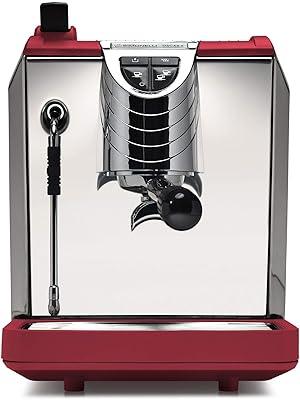 Check Price Check Price |
|
|
|
| La Marzocco Linea MiniCheck Price |
|
|
|
| Rancilio Silvia ProCheck Price |
|
|
|
| Breville BES920XL Dual BoilerCheck Price |
|
|
|
| Elekta A3 Espresso MachineCheck Price |
|
|
|
Best Commercial Espresso Machines For Small Coffee Shop
Nuova Simonelli Oscar II
The Nuova Simonelli Oscar II is an affordable, professional-grade espresso machine that’s perfect for small coffee shops or anyone just starting their espresso journey. It’s compact and efficient, boasting a heat exchange system that allows you to brew and steam at the same time-ideal for fast-paced environments. It lacks some of the finer features like PID control, but it’s still a very solid performer at its price point.
Features:
- Heat exchange system
- Professional grade build
- Compact size
- Automatic refill system
- Stainless steel housing
Pros:
- Affordable for its class
- Fast recovery time
- Easy to use for beginners
- Produces high-quality shots
- Great for limited spaces
Cons:
- Steaming can be slower compared to other machines
- No PID control
- Water tank can be a bit small
La Marzocco Linea Mini
The La Marzocco Linea Mini is a small powerhouse that’s perfect for a coffee shop with limited space but high expectations. Its dual boiler system allows for seamless brewing and steaming, keeping your workflow smooth even during rush hours. Plus, it’s super reliable, with a solid stainless steel body that promises durability. However, don’t let the compact design fool you-it comes at a premium price, and its single group head may be a bit limiting if you plan to serve many drinks at once.
Features:
- Dual boiler system
- PID temperature control
- Integrated brew group
- Compact design for small spaces
- Stainless steel exterior
Pros:
- Excellent build quality
- Consistent performance
- Good for small-volume cafes
- Highly reliable
- Easy to use and maintain
Cons:
- Higher price point
- Only 1 group head
- Water reservoir can be small for busier hours
Rancilio Silvia Pro
The Rancilio Silvia Pro offers a wonderful balance of performance and affordability. This machine is perfect for small cafes that want a top-notch espresso maker without breaking the bank. With its dual boiler system and PID control, it offers precise brewing temperature and consistent shots. However, its single group head and relatively slower steaming might slow things down a bit if you’re serving a high volume of drinks. But for smaller volumes, it’s a solid choice.
Features:
- Dual boiler
- PID control
- Dedicated steam and brew circuits
- Large 2.5L water reservoir
- Compact and sleek design
Pros:
- Great value for money
- Accurate temperature control
- Ideal for small volume use
- Consistent espresso shots
- Easy to clean and maintain
Cons:
- Only 1 group head
- Steaming pressure could be better
- Not as fast as some higher-end machines
Breville BES920XL Dual Boiler
The Breville BES920XL is a great option if you want to step up your coffee game without spending a fortune on a commercial-grade machine. It features dual boilers for optimal brewing and steaming at the same time, and the PID control ensures precision in temperature. Its programmable shot volumes and pre-infusion function bring out richer flavors, but it might not be fast enough for shops with heavy foot traffic. Still, for smaller operations, it’s an excellent choice.
Features:
- Dual boiler system
- PID temperature control
- Programmable shot volumes
- Pre-infusion function
- Removable water reservoir
Pros:
- Consistently high-quality shots
- Great for smaller shops
- Affordable for a dual boiler
- Easy to program and maintain
- Pre-infuse function enhances flavor extraction
Cons:
- Only one group head
- May not hold up in very high-volume environments
- Build quality not as rugged as commercial machines
Elekta A3 Espresso Machine
The Elekta A3 Espresso Machine is a stylish yet efficient option for a small coffee shop looking for quiet, consistent performance. The dual boiler system and PID temperature control allow for precise extraction, while its sleek stainless steel design will fit into any modern cafe. While it’s great for quieter environments, the one group head and the relatively small water tank could be limiting factors during peak hours, making it less suitable for a bustling cafe. Still, it’s an awesome choice for a boutique coffee shop with a focus on quality.
Features:
- Dual boiler
- PID control
- Quiet operation
- Compact design
- Sleek stainless steel finish
Pros:
- Super quiet operation
- Great for small cafes
- Highly consistent shots
- Sleek, modern design
- Accurate temperature control
Cons:
- Expensive for the features
- One group head
- Somewhat limited water reservoir
Reasons To Choose Commercial Espresso Machines For Small Coffee Shop
Choosing a commercial espresso machine for a small coffee shop is a decision that should never be taken lightly. The quality of the coffee you serve will be directly impacted by the type of equipment you use. Here are several compelling reasons why investing in a commercial espresso machine is the right choice for small coffee shops:
Consistency In Quality
In the coffee business, consistency is key. Customers expect the same high-quality beverage every time they visit. Commercial espresso machines are designed to provide consistent results, ensuring that each espresso shot, latte, or cappuccino tastes just as good as the last. This level of reliability can make or break a small coffee shop, especially when building a loyal customer base.
Speed And Efficiency
Small coffee shops often face high-volume traffic during peak hours, and having the right equipment is essential for handling this influx. Commercial espresso machines are designed for speed, able to pull multiple shots of espresso in a short period of time. This allows baristas to work efficiently, ensuring that customers are served quickly without compromising the quality of the coffee.
Durability And Longevity
Commercial espresso machines are built to withstand the daily demands of a busy coffee shop. These machines are made with heavy-duty materials that can handle the constant use and high-pressure environment. While the initial investment is higher than consumer-grade models, the durability and long lifespan of commercial machines make them a more cost-effective choice in the long run.
Customization And Control
Commercial machines often come with advanced features that allow baristas to fine-tune their coffee-making process. From adjusting the water temperature to controlling the pressure during extraction, these machines provide greater control over the brewing process. This is essential for creating specialty coffee beverages that stand out and appeal to discerning customers.
Enhanced Customer Experience
An excellent cup of espresso is not just about the taste; it’s about the experience. A high-end commercial espresso machine, with its polished look and performance, can elevate the customer’s experience. The sight of a barista pulling a perfect shot, frothing milk to silky smoothness, and creating latte art can be a mesmerizing and engaging part of the coffee shop experience.
Buyer Guide For Commercial Espresso Machines For Small Coffee Shop
When selecting the best commercial espresso machine for a small coffee shop, it’s essential to understand the various options available and the key features to look for. The right machine can significantly impact your business’s efficiency and reputation. Here are the steps to guide your buying decision:
Determine Your Budget
Espresso machines vary widely in price, from a few hundred to several thousand dollars. The price typically reflects the quality, durability, and features of the machine. Consider your budget and how much you’re willing to invest in equipment. Remember that while a more expensive machine may have advanced features, it could also offer greater reliability, speed, and performance, which could be more beneficial in the long run.
Understand Your Needs
The type of coffee shop you run and the volume of business you expect to have will influence your choice of espresso machine. Do you plan on serving espresso-based drinks primarily, or do you expect to offer a variety of coffee beverages? Will your shop experience peak hours where speed and efficiency are crucial? Answering these questions will help you select the machine that best fits your needs.
Choose Between Manual, Semi-Automatic, Or Fully Automatic
There are three main types of espresso machines: manual, semi-automatic, and fully automatic.
- Manual machines require the barista to control the entire brewing process, from grinding the beans to extracting the shot. These machines offer the most control but demand a high level of skill and experience.
- Semi-automatic machines automate part of the process, such as water temperature and pressure, but still require the barista to grind, tamp, and control the extraction time. They offer a balance between control and convenience.
- Fully automatic machines take care of everything from grinding the beans to pulling the shot. These machines are the easiest to use and are ideal for shops where consistency and speed are more important than individual customization.
Assess Capacity And Size
A small coffee shop doesn’t have the luxury of space that larger cafes or restaurants might. Consider the size of the espresso machine and its capacity to handle your expected volume. Machines come in various sizes, with some able to brew multiple shots at once. For a small shop, look for a machine with a reasonable output that doesn’t take up too much counter space.
Look For Additional Features
Modern commercial espresso machines come with a variety of additional features such as programmable settings, pre-infusion capabilities, automatic milk frothing, and built-in grinders. While not every feature may be essential, consider what will enhance your workflow and the customer experience in your shop.
Key Features To Consider
When choosing a commercial espresso machine for your small coffee shop, several key features can make a significant difference in both the quality of your coffee and your operational efficiency. Below are some of the most important features to look for:
Boiler System
The boiler system is crucial for maintaining consistent temperature and pressure throughout the brewing process. Espresso machines generally come with single, double, or multi-boiler systems. A dual boiler system is often ideal for small coffee shops, as it allows one boiler to brew espresso while the other froths milk, preventing delays during peak hours.
PID Temperature Control
PID (Proportional-Integral-Derivative) temperature control ensures that the temperature of the water remains stable during extraction. This consistency is vital for achieving the perfect shot of espresso. Machines with PID control allow baristas to make precise adjustments to the temperature, ensuring that the coffee is brewed to perfection.
Group Heads
The group head is where the espresso is extracted from the coffee grounds. Machines with multiple group heads allow you to pull more shots at once, improving speed and efficiency during busy periods. For small coffee shops, two to three group heads are typically sufficient.
Steam Wands
The steam wand is essential for frothing milk to make lattes, cappuccinos, and other espresso-based drinks. Look for a machine with a high-quality steam wand that can generate powerful steam to create smooth, velvety milk foam. Some machines even offer automatic milk frothing, which can save time and improve consistency.
Grinders
While some espresso machines come with built-in grinders, many coffee shop owners prefer separate, dedicated grinders for better control over the grind size and consistency. Freshly ground coffee is essential for making the best espresso, so investing in a high-quality grinder is just as important as the espresso machine itself.
Best Practices
Using a commercial espresso machine requires skill, attention to detail, and adherence to best practices. Here are some tips to get the most out of your machine and create the best possible coffee:
Consistent Grinding
The grind size of your coffee beans plays a critical role in the quality of your espresso. Ensure that your grinder is calibrated properly, and make adjustments based on the roast and humidity levels. Consistent, fresh grinding ensures that you extract the full flavor from your beans.
Proper Tamping
Tamping the ground coffee evenly and with the right pressure is crucial for consistent extraction. Baristas should tamp with approximately 30 pounds of pressure to create a uniform coffee bed for a balanced shot. Inconsistent tamping can lead to uneven extraction and poor flavor.
Pre-wetting The Coffee Grounds
Before pulling a shot, many baristas recommend a technique called "pre-infusion," where a small amount of water is allowed to saturate the coffee grounds before full pressure is applied. This helps ensure that the coffee extracts evenly, producing a more balanced shot.
Cleanliness Is Key
Keep the espresso machine clean to maintain the quality of your coffee and ensure longevity. Regularly clean group heads, steam wands, and drip trays to prevent buildup. Flushing the machine between shifts and after every few shots also helps maintain cleanliness and functionality.
Maintenance And Cleaning Guidelines
Proper maintenance and cleaning are vital to ensuring the longevity and performance of your commercial espresso machine. Neglecting these tasks can lead to breakdowns, poor coffee quality, and costly repairs. Below are some essential maintenance and cleaning guidelines:
Daily Cleaning
- Backflush the Group Heads: Perform a backflush every night to remove coffee oils and residues.
- Clean the Steam Wands: Wipe the steam wands with a damp cloth after each use, and purge them to remove milk residue.
- Empty Drip Trays and Bins: Clean out any accumulated coffee grounds and water.
Weekly Cleaning
- Descale the Machine: Over time, minerals can build up in the machine’s plumbing and boiler. Use a descaling solution to remove these deposits.
- Clean the Portafilters and Baskets: Scrub the portafilters and baskets with warm water and a cleaning brush.
Monthly Maintenance
- Check the Machine’s Pressure and Temperature: Test the machine’s pressure and temperature to ensure they are operating within the ideal range.
- Inspect for Leaks: Check the machine for leaks or worn-out seals, which may need replacing.
Best Places To Buy Commercial Espresso Machines For Small Coffee Shop
When purchasing a commercial espresso machine, it’s important to choose a reputable dealer or supplier. Here are some of the best places to consider:
Authorized Dealers
Authorized dealers often provide warranties, expert advice, and post-sale support. Brands like La Marzocco, Nuova Simonelli, and Rancilio have authorized dealers who offer both sales and service.
Online Retailers
Websites like Espresso Parts and Whole Latte Love offer a wide range of commercial espresso machines, often with detailed product descriptions and reviews to help you make an informed decision.
Local Coffee Equipment Suppliers
For personalized service, local suppliers can offer hands-on demonstrations and installation services, helping you choose the best machine for your specific needs.
Wrapping Up
Choosing the right commercial espresso machine for your small coffee shop is a crucial decision that can affect both your day-to-day operations and your long-term success. By considering your shop’s volume, customer preferences, and equipment needs, you can make a well-informed choice that meets your business goals.