
Best Commercial Coffee Machines (KEY FACTORS)
By Jamie — Coffee Equipment Reviewer | Last Updated on January 16, 2026
Note: This page contains affiliate links. As an Amazon Associate, I earn from qualifying purchases when you click on the link, but you are not charged extra.
In the modern culinary and hospitality landscape, coffee has evolved far beyond a simple morning ritual; it has become a cornerstone of business identity and customer experience. Whether it’s a bustling café, a high-end restaurant, or an office environment striving to provide premium amenities, the choice of a coffee machine can significantly influence both operational efficiency and customer satisfaction. Commercial coffee machines are not just appliances-they are investments that shape the flavor profile, speed, and consistency of every cup of coffee served. Understanding their intricacies, capabilities, and proper use is essential for anyone looking to elevate their beverage offerings and optimize daily operations.
Best Commercial Coffee Machines: Comparison Table
| Features | Pros | Cons | |
|---|---|---|---|
Nuova Simonelli Aurelia II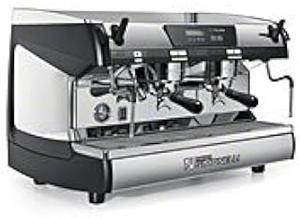 Check Price Check Price |
|
|
|
Breville BES920XL Dual Boiler Espresso Machine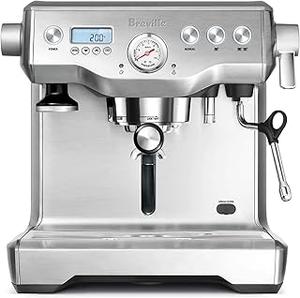 Check Price Check Price |
|
|
|
| La Marzocco Linea MiniCheck Price |
|
|
|
| Rancilio Classe 11 USBCheck Price |
|
|
|
| Victoria Arduino Black EagleCheck Price |
|
|
|
Best Commercial Coffee Machines
Nuova Simonelli Aurelia II
The Nuova Simonelli Aurelia II is an impressive, professional-grade espresso machine, especially built for high-volume environments like busy coffee shops. With its multi-boiler system, you can brew multiple cups of coffee at once without compromising on quality. The touch screen interface makes it incredibly easy to use, and the energy-saving features ensure that your energy bill isn’t through the roof. While it takes up a lot of space and comes at a premium price, its reliability and consistency make it a favorite for busy cafés.
Features:
- Multi-boiler system, Smart water system, Touch screen interface, Energy saving features
Pros:
- Fast and consistent brewing, Highly energy-efficient, User-friendly, Great for high-volume settings
Cons:
- Very large size, High price point, Requires a lot of space
Breville BES920XL Dual Boiler Espresso Machine
If you’re looking for a commercial-quality espresso machine on a smaller budget, the Breville BES920XL is an excellent option. It features a dual boiler system, which is rare at this price point, offering precise control over brewing and steaming. The PID temperature control ensures your espresso is brewed perfectly every time, and the manual steam wand allows you to create that perfect microfoam. While it’s not quite built for the busiest cafés, it’s perfect for a smaller coffee shop or a serious home barista.
Features:
- Dual boiler system, PID temperature control, Pre-infusion, Manual steam wand
Pros:
- Affordable for a dual boiler, Excellent value for money, Easy to use, Great steam pressure
Cons:
- Not as durable for high-volume use, Water tank is a bit small
La Marzocco Linea Mini
The La Marzocco Linea Mini is a beloved machine among coffee enthusiasts and professionals alike. It’s a smaller version of the iconic Linea PB, perfect for smaller cafes but still capable of producing café-quality espresso with consistent, precise shots. With dual boilers and a PID temperature control system, it ensures your coffee is brewed at the perfect temperature every time. If you’re willing to invest in a high-quality machine and maintain it regularly, the Linea Mini is a top-tier choice for anyone serious about their espresso.
Features:
- Dual boiler, PID temperature control, Pre-infusion system, E61 group head
Pros:
- Amazing build quality, Consistent espresso shots, Ideal for high-end coffee shops, Compact design, Easy to maintain
Cons:
- Expensive, Requires regular maintenance, Takes up some counter space
Rancilio Classe 11 USB
The Rancilio Classe 11 USB is a top-tier commercial espresso machine that combines high-end performance with sleek, modern aesthetics. It features a dual boiler system for brewing espresso and steaming milk simultaneously without a hitch. The advanced PID control ensures optimal temperature consistency, which is key for top-quality coffee. The machine also offers USB ports for easy software updates, making it future-proof. However, the high price tag and space requirements may be a bit much for smaller businesses or home cafes.
Features:
- Advanced PID control, Sleek modern design, Dual boiler system, USB port for updates
Pros:
- Precision brewing, Ideal for high-end cafes, Modern and stylish design, Quiet operation
Cons:
- High upfront cost, Complex installation, Large footprint
Victoria Arduino Black Eagle
The Victoria Arduino Black Eagle is the epitome of luxury in the world of espresso machines. This machine is designed for the most discerning of coffee shops, with T3 technology for precise temperature control across multiple groups. The Black Eagle ensures consistent, high-quality shots every time, and the automatic coffee dosing feature means you can streamline your workflow. With its cool-touch steam wands and energy-saving system, it’s perfect for busy cafes that demand the best. However, it comes with a hefty price tag and requires a lot of space, not to mention professional installation.
Features:
- T3 Technology, Automatic coffee dosing, Cool-touch steam wands, Energy-saving system
Pros:
- Incredible shot consistency, High energy efficiency, Beautiful design, Intuitive touchscreen interface
Cons:
- Very expensive, Requires professional installation, Large size
Reasons To Choose Commercial Coffee Machines
Commercial coffee machines are distinct from household models in terms of performance, durability, and customization. One of the primary reasons to opt for a commercial machine is its ability to handle high-volume demand without compromising quality. While a home coffee maker might struggle after a few cups, commercial machines are designed for continuous operation, serving dozens or even hundreds of beverages per day.
Another significant advantage is consistency. A commercial machine ensures that each cup meets exact standards, from grind size and water temperature to extraction time and crema quality. This consistency not only strengthens brand reputation but also builds customer loyalty, as patrons return knowing they can expect the same rich flavor every time.
Durability and longevity are also key factors. Built with premium materials, robust components, and advanced engineering, commercial coffee machines withstand the rigors of daily, high-volume use. They are designed to minimize downtime, reduce maintenance needs, and sustain peak performance over years of operation-an essential consideration for businesses looking to maximize ROI.
Buyer Guide For Commercial Coffee Machines
Selecting the right commercial coffee machine requires careful consideration of your business needs, volume requirements, and available space. The first step is identifying your service model: is your business a café serving hundreds of customers daily, a restaurant offering specialty beverages, or a small office requiring a simple, reliable solution?
Next, consider the types of coffee you plan to serve. Machines vary in their capabilities, from espresso-focused models to versatile brewers capable of handling lattes, cappuccinos, and cold coffee options. Understanding your beverage menu will guide you toward machines with the appropriate functions and attachments.
Budget is another critical factor. While it may be tempting to opt for a lower-priced model, investing in a high-quality commercial machine often reduces long-term costs by minimizing breakdowns and maintenance needs. Factor in not just the initial purchase price but also ongoing costs, such as cleaning supplies, replacement parts, and service contracts.
Finally, assess your operational environment. Space, electrical capacity, and water supply can influence which machine models are feasible. Some commercial machines require professional installation, water filtration systems, or additional plumbing-details that must be planned before purchase.
Key Features To Consider
When evaluating commercial coffee machines, several features can directly impact efficiency, beverage quality, and ease of use.
- Brew Capacity: Machines vary in the number of cups they can produce per hour. High-capacity models are essential for busy cafés, while lower-capacity units may suffice for small offices or boutique establishments.
- Programmability: Advanced machines allow precise control over brew strength, temperature, and shot volume. Customizable programming ensures consistent flavor and accommodates diverse customer preferences.
- Steam Wand and Frothing Capabilities: For specialty beverages like lattes and cappuccinos, a reliable steam wand is crucial. Machines with automatic frothing features reduce the skill barrier and speed up service.
- Grinder Integration: Some machines come with built-in grinders for freshly ground beans, which significantly enhances aroma and flavor. Adjustable grind settings are important for fine-tuning the extraction process.
- Energy Efficiency: Commercial machines often operate continuously. Features like energy-saving modes or programmable shutdowns help reduce electricity costs without sacrificing performance.
- User-Friendly Interface: Clear displays, intuitive controls, and automated cleaning programs simplify operation and minimize training requirements for staff.
- Durability and Build Quality: Stainless steel construction, high-quality pumps, and reinforced components contribute to longevity, even under heavy usage.
Best Practices
Proper usage of a commercial coffee machine extends its lifespan and ensures consistent quality. Operators should always follow the manufacturer’s guidelines for start-up, brewing, and shutdown procedures. Preheating the machine before peak hours ensures optimal extraction temperatures, which directly impacts flavor.
Training staff is equally important. Even the most sophisticated machine can underperform if operators are unfamiliar with its functions. Staff should be adept at adjusting grind size, tamping pressure, milk frothing techniques, and routine cleaning processes.
Using filtered water and high-quality beans also makes a noticeable difference. Mineral content, acidity, and bean freshness all influence the final cup, so investing in premium ingredients complements the machine’s capabilities.
Maintenance And Cleaning Guidelines
Routine maintenance is essential to prevent breakdowns and maintain hygiene. Daily tasks typically include flushing the group heads, cleaning steam wands, and emptying drip trays. Weekly or monthly maintenance may involve descaling, backflushing, and replacing gaskets or filters.
Neglecting maintenance can lead to scale buildup, inconsistent brewing, and even mechanical failure. A well-maintained machine not only produces superior coffee but also reduces long-term repair costs.
Keeping a maintenance log is recommended, documenting cleaning schedules, service dates, and any observed irregularities. This record ensures accountability and facilitates proactive care.
Best Places To Buy Commercial Coffee Machines
Purchasing from reputable suppliers ensures quality, warranty coverage, and access to after-sales support. Authorized dealers, specialty coffee equipment retailers, and trusted online marketplaces are ideal starting points. Additionally, attending industry trade shows or connecting with commercial coffee associations can provide hands-on experience and professional recommendations.
When buying online, always verify the seller’s credentials, check customer reviews, and confirm warranty and service options. Many businesses also benefit from consulting with suppliers about installation requirements and staff training programs before committing to a purchase.
Wrapping Up
Investing in a commercial coffee machine is not merely a purchase; it is a strategic decision that impacts operational efficiency, customer satisfaction, and business reputation. From understanding different models and their features to following best practices in usage and maintenance, every step influences the quality and consistency of your coffee offerings.