
Best Home Coffee Espresso Machines (KEY FACTORS)
By Jamie — Coffee Equipment Reviewer | Last Updated on January 10, 2026
Note: This page contains affiliate links. As an Amazon Associate, I earn from qualifying purchases when you click on the link, but you are not charged extra.
The allure of a perfectly brewed espresso in the comfort of your home is hard to resist. Over the years, coffee culture has evolved from simple morning routines to intricate experiences where flavor, aroma, and texture matter immensely. Home coffee espresso machines have emerged as essential appliances for enthusiasts who crave barista-quality coffee without stepping outside. Beyond mere convenience, these machines empower users to experiment with coffee profiles, grind sizes, and brewing techniques, creating a personalized coffee ritual. Whether it’s a creamy cappuccino, a bold ristretto, or a frothy latte, home espresso machines offer the versatility to explore the nuanced world of coffee, elevating daily routines into moments of sensory delight.
Best Home Coffee Espresso Machines: Comparison Table
| Features | Pros | Cons | |
|---|---|---|---|
Breville Barista Express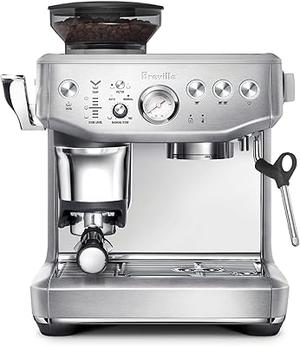 Check Price Check Price |
|
|
|
Nespresso Creatista Plus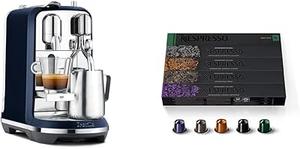 Check Price Check Price |
|
|
|
Gaggia Classic Pro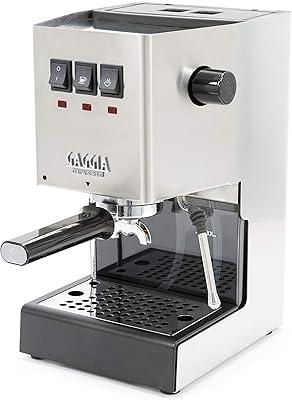 Check Price Check Price |
|
|
|
| De’Longhi EC155Check Price |
|
|
|
| Rancilio Silvia Espresso MachineCheck Price |
|
|
|
Best Home Coffee Espresso Machines
Breville Barista Express
The Breville Barista Express is a favorite for those looking to create café-quality espresso right at home. With its built-in grinder, steam wand, and intuitive controls, it’s perfect for both beginners and intermediate baristas. You get full control over grind size and shot volume, making it great for experimenting. Sure, it’s a bit larger than your average espresso machine, but the convenience of having everything in one unit often makes it worth the counter real estate. Just keep in mind, if you’re brand new to espresso, there’s a learning curve as you get comfortable with the machine’s settings.
Features:
- 15-bar pressure, integrated conical burr grinder, steam wand, adjustable grind size, PID temperature control, pre-infusion
Pros:
- Great value for the price, all-in-one design, consistent extraction, easy to use, hands-on for coffee enthusiasts.
Cons:
- Can be a bit bulky, takes up space on the counter, learning curve for beginners.
Nespresso Creatista Plus
The Nespresso Creatista Plus is a dream come true for those who want a quick and easy espresso with minimal effort. It combines Nespresso’s famous pod-based convenience with automatic milk frothing, so you can make everything from lattes to cappuccinos with just a button push. The touch screen is intuitive, and the frother lets you play with different textures and temperatures. However, while it delivers fast, consistent espresso, you’re locked into using Nespresso pods, which can be a bit pricey over time. If you’re not into the whole pod system, this might not be the machine for you.
Features:
- Automatic milk frother, 19-bar pressure, sleek touchscreen interface, 8 milk temperature settings, 3 milk texture options
Pros:
- User-friendly, quick to make coffee, customizable milk frothing, sleek design, consistent results.
Cons:
- Expensive pods, limited espresso variety, machine not as customizable as traditional models.
Gaggia Classic Pro
The Gaggia Classic Pro is often hailed as the best ’starter’ espresso machine for people who want something more professional but don’t want to break the bank. With its classic stainless steel look, it delivers that commercial-quality espresso you’d expect from more expensive machines. The steam wand is a highlight, allowing you to froth milk like a pro. However, like the Rancilio Silvia, it requires you to buy a separate grinder, and the steam wand takes a little practice to master. It’s simple, solid, and a great machine to grow with if you want to get more serious about espresso.
Features:
- 15-bar pump, stainless steel body, commercial-style portafilter, professional steam wand, easy-to-use controls
Pros:
- Affordable commercial-grade quality, reliable, great steam wand, strong extraction, solid build.
Cons:
- Requires a separate grinder, steam wand can take some practice, basic features for the price.
De’Longhi EC155
For those who are just dipping their toes into the world of espresso, the De’Longhi EC155 offers a simple, no-fuss experience. It has all the essentials: a 15-bar pump for strong extraction, a steam wand for frothing milk, and a compact size that won’t take over your kitchen. While the plastic build may feel a bit flimsy, it’s sturdy enough to get the job done. It’s a solid option if you’re looking for an affordable machine to get your morning fix without all the advanced settings that some other models boast.
Features:
- 15-bar pump, dual function filter holder, swivel jet frother, compact design, simple interface
Pros:
- Affordable, compact, easy to use, good frothing capability, ideal for small spaces.
Cons:
- Plastic build, limited features compared to pricier models, small water tank.
Rancilio Silvia Espresso Machine
The Rancilio Silvia is a powerhouse that appeals to espresso aficionados who want something that performs like the machines in cafés. With a commercial-style portafilter, durable build, and the option to modify or upgrade parts, this machine is perfect for those serious about their espresso. The tradeoff? It’s not for the faint of heart-there’s a bit of a learning curve, and you’ll need a separate grinder. But if you’re prepared to invest the time and effort, you’ll be rewarded with consistent, top-notch espresso shots every time.
Features:
- Commercial-grade portafilter, 15-bar pump, sturdy steel construction, professional steam wand, manual controls
Pros:
- Durable, professional performance, consistent shots, great for experienced users, easy to modify.
Cons:
- Expensive, no built-in grinder, takes up counter space, requires some learning.
Reasons To Choose Home Coffee Espresso Machines
Investing in a home espresso machine goes beyond convenience-it reflects a desire for quality, creativity, and sustainability. First, home espresso machines allow for consistent quality. Unlike café visits, where the flavor can vary with barista skill and machine calibration, owning a machine gives you control over every parameter: coffee bean selection, grind size, water temperature, and extraction time.
Second, these machines offer significant cost savings over time. While initial investments can be substantial, the per-cup cost of home-brewed espresso is often far lower than daily café purchases. Third, the versatility and experimentation they provide appeal to enthusiasts who wish to explore different coffee beans, blends, and brewing methods. Home machines also support sustainability-by reducing reliance on disposable cups and single-use coffee pods, you minimize environmental impact while enjoying your favorite beverages.
Lastly, convenience is a compelling factor. From a quick morning espresso shot to a leisurely weekend latte, having a machine at home ensures that premium coffee is available on demand, at any time of the day.
Buyer Guide For Home Coffee Espresso Machines
Choosing the perfect home espresso machine requires careful consideration of your coffee habits, lifestyle, and budget. Start by defining your coffee preferences: do you prefer simple espresso shots, or do you enjoy elaborate drinks like cappuccinos and macchiatos? Your answer will influence whether a basic manual, semi-automatic, or fully automatic machine is appropriate.
Manual machines appeal to traditionalists who enjoy full control over extraction, while semi-automatic machines balance control with convenience. Fully automatic machines are ideal for those seeking speed, consistency, and minimal effort. Budget is another crucial consideration. While entry-level machines start at a few hundred dollars, professional-grade models with advanced features can exceed a thousand dollars.
Additionally, evaluate space and design considerations. Espresso machines range from compact units suitable for small kitchens to larger models with integrated grinders and milk frothers. Consider the machine’s footprint, water reservoir capacity, and compatibility with your kitchen layout.
Key Features To Consider
When evaluating machines, several features stand out as crucial for quality, usability, and long-term satisfaction:
- Pressure System: A machine’s pressure, measured in bars, directly impacts extraction. For authentic espresso, aim for 9 bars of pressure or higher.
- Boiler Type: Single boilers, dual boilers, and heat-exchange systems each offer different temperature stability and steaming efficiency. Dual boilers are preferred for simultaneous brewing and steaming.
- Built-in Grinder: Freshly ground beans significantly enhance flavor. Machines with integrated grinders allow precise control over grind size and dosage.
- Milk Frothing Capability: For latte and cappuccino lovers, a powerful steam wand or automatic milk frother is essential.
- Programmable Settings: Advanced machines allow customization of shot volume, temperature, and strength, ensuring a tailored coffee experience.
- Ease of Cleaning: Detachable drip trays, water reservoirs, and automatic cleaning programs simplify maintenance and prolong the machine’s lifespan.
Best Practices
Maximizing your machine’s potential requires attention to detail in every step:
- Preheat Your Machine: Run a water cycle before brewing to stabilize temperature.
- Use Fresh Coffee Beans: Beans lose aroma and flavor quickly; grind just before brewing.
- Correct Tamp Pressure: Apply even pressure when tamping coffee grounds to ensure uniform extraction.
- Optimal Water Quality: Filtered water improves taste and reduces scale buildup.
- Proper Extraction Time: A typical espresso shot takes 25-30 seconds; adjust grind size or dose to achieve this.
- Regular Steam Wand Use: Prevent milk residue buildup by purging the wand after each use.
Maintenance And Cleaning Guidelines
A well-maintained espresso machine ensures consistent coffee quality and longevity. Key practices include:
- Daily Cleaning: Rinse portafilters, steam wands, and drip trays after each use.
- Weekly Maintenance: Backflush the machine with a cleaning solution, wipe down external surfaces, and descale water reservoirs if needed.
- Monthly Deep Cleaning: Remove and clean the shower screen, grinder burrs, and internal components according to manufacturer instructions.
- Water Filtration: Replace water filters regularly to prevent mineral buildup and maintain taste integrity.
Proper maintenance not only enhances flavor but also protects your investment from costly repairs.
Best Places To Buy Home Coffee Espresso Machines
Purchasing a machine from a reputable source ensures warranty protection, customer support, and access to authentic parts. Trusted options include:
- Specialty Coffee Retailers: Stores dedicated to coffee equipment often provide expert advice and demonstrations.
- Major Appliance Stores: Well-known electronics and kitchen appliance stores carry a wide range of models with after-sales support.
- Online Marketplaces: E-commerce platforms offer convenience, competitive pricing, and user reviews that help guide decisions.
- Brand Websites: Buying directly from the manufacturer guarantees authenticity, warranty coverage, and access to replacement parts.
Additionally, consider seasonal promotions and bundle deals that include grinders, milk frothers, or coffee subscriptions for better value.
Wrapping Up
Home coffee espresso machines transform the act of brewing coffee into a refined, ritualistic experience. By carefully considering your preferences, budget, and lifestyle, you can select a machine that not only delivers high-quality espresso but also enhances your everyday routines. Understanding features, maintenance requirements, and best practices ensures your investment yields delicious results for years to come.