
Best Espresso Machines (KEY FACTORS)
By Jamie — Coffee Equipment Reviewer | Last Updated on March 2, 2026
Note: This page contains affiliate links. As an Amazon Associate, I earn from qualifying purchases when you click on the link, but you are not charged extra.
Espresso machines are a cornerstone of the modern coffee culture, transforming ordinary coffee beans into the rich, concentrated shot of espresso that coffee lovers cherish worldwide. For those passionate about their morning brew or searching for a way to elevate their coffee game, an espresso machine becomes more than just an appliance-it’s a gateway to creating cafe-quality beverages from the comfort of home. Whether you’re an experienced barista or a newcomer to the world of espresso, understanding how to choose, use, and maintain the right espresso machine is essential for creating the perfect shot. This guide will delve into the compelling reasons to invest in an espresso machine, offer a comprehensive buyer’s guide, and explain how to get the most out of your espresso machine to ensure a high-quality coffee experience.
Best Espresso Machines: Comparison Table
| Features | Pros | Cons | |
|---|---|---|---|
Breville Barista Express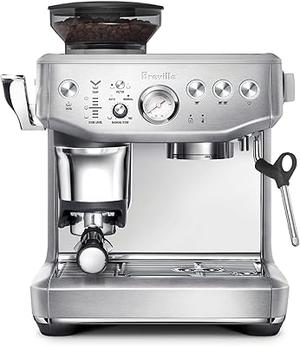 Check Price Check Price |
|
|
|
De’Longhi Dinamica Automatic Coffee & Espresso Machine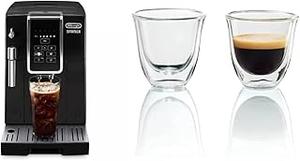 Check Price Check Price |
|
|
|
Gaggia Classic Pro Espresso Machine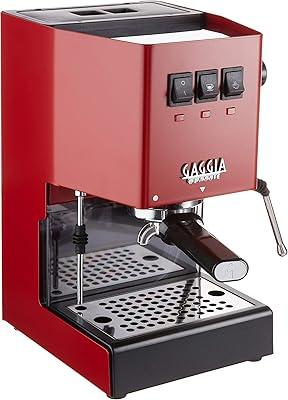 Check Price Check Price |
|
|
|
| Rancilio Silvia Espresso MachineCheck Price |
|
|
|
| La Marzocco Linea MiniCheck Price |
|
|
|
Best Espresso Machines
Breville Barista Express
The Breville Barista Express is like the Swiss Army knife of espresso machines. It combines a fantastic 15-bar Italian pump with a built-in grinder that makes the whole espresso-making experience as smooth as possible. You get to dial in your grind, tamp, brew, and even froth milk with its steam wand-all in one compact design. It’s perfect if you’re looking to get that café-quality espresso without blowing your budget or spending hours on training. Just be ready for a bit of noise when grinding beans!
Features:
- 15-bar Italian pump
- Integrated conical burr grinder
- Steam wand for frothing milk
- User-friendly interface with pressure gauge
Pros:
- Great for beginners and pros
- Built-in grinder saves counter space
- Excellent value for the quality
- Customizable grind size for perfect espresso
Cons:
- Can be a bit noisy during grinding
- Takes a bit of time to fully learn all the settings
De’Longhi Dinamica Automatic Coffee & Espresso Machine
For those who want an easy espresso experience without all the fine-tuning, the De’Longhi Dinamica is an automatic option that delivers. It’s as simple as choosing your coffee type and hitting a button-beans go in, and espresso comes out. You’ve got a solid variety of brew styles, from a simple espresso shot to a creamy latte. While it’s great for convenience, it does take away some of the hands-on fun. But if you’re short on time, this might be your best friend.
Features:
- Bean-to-cup function
- Touchscreen interface
- Adjustable grind and strength
- Milk frother for lattes and cappuccinos
Pros:
- Super convenient with one-touch brewing
- Good value for an automatic machine
- Offers a variety of coffee styles
- User-friendly interface
Cons:
- Can be a bit too automated for some
- Not as customizable as manual machines
- The milk frother can be hit or miss
Gaggia Classic Pro Espresso Machine
The Gaggia Classic Pro is the dream machine for anyone starting their espresso journey with a focus on craftsmanship. It’s got a commercial-style portafilter, stainless steel body, and a powerful steam wand, making it perfect for pulling rich, creamy shots and steaming milk like a pro. While it’s not super fancy or automated, the machine’s simplicity is part of its charm. Plus, it’s easy to customize with upgrades, so as your skills grow, you can tweak things to match your taste.
Features:
- Commercial-style portafilter
- Stainless steel housing
- Heavy-duty steam wand
- Easily upgradeable
Pros:
- Affordable entry-level commercial espresso machine
- Solid construction
- Excellent steam power
- Highly customizable with aftermarket parts
Cons:
- Basic design
- Can be a little tricky for beginners
- Limited automation features
Rancilio Silvia Espresso Machine
The Rancilio Silvia is often regarded as the gold standard for entry-level commercial espresso machines. It’s built like a tank, with a solid stainless steel body and a powerful group head that gives you that consistent, rich espresso shot every time. Its steam wand is a thing of beauty for anyone who loves their creamy lattes and cappuccinos. It does require a bit more effort to master, though, and it’s not the most compact machine. If you’re serious about espresso, this one’s a gem.
Features:
- Professional-grade group head
- Sturdy construction
- Commercial-style steam wand
- Adjustable thermostat
Pros:
- Durable and built to last
- Great steam power for lattes and cappuccinos
- Highly customizable for serious users
- Easy to clean
Cons:
- Not ideal for beginners
- Takes up more counter space
- Expensive for some budgets
La Marzocco Linea Mini
If you’ve got deep pockets and a passion for perfect espresso, the La Marzocco Linea Mini is the machine you’ve been dreaming of. This beauty brings commercial-grade features into the home kitchen, with dual boilers, PID control, and pressure profiling, which gives you complete control over every shot. The design is sleek and modern, but with all that precision and power, it’s definitely a commitment both in terms of price and maintenance. If you’re willing to go the extra mile, this is as close as you’ll get to café-quality espresso at home.
Features:
- Dual boiler system
- PID temperature control
- Pressure profiling
- Compact footprint for a professional machine
Pros:
- Incredible espresso quality
- Precision control over every shot
- Great for home baristas looking for pro-level espresso
- Beautifully designed
Cons:
- Very pricey
- Requires regular maintenance
- Takes up a lot of counter space
Reasons To Choose Espresso Machines
Investing in an espresso machine offers a host of advantages, both practical and indulgent. Here are some of the most compelling reasons to consider bringing an espresso machine into your home:
- Cost-Effectiveness: While the upfront cost of an espresso machine might seem high, the long-term savings can be significant. Regular trips to coffee shops can quickly add up, especially if you’re indulging in specialty drinks like lattes or cappuccinos. An espresso machine allows you to make these beverages at home for a fraction of the price.
- Customization and Control: Espresso machines provide you with control over every aspect of the brewing process. From grind size and water temperature to tamping pressure and extraction time, you can customize each shot to your exact preferences, which is something you can’t do at a café. This level of control is ideal for coffee aficionados who enjoy experimenting and perfecting their brew.
- Convenience: Having an espresso machine at home saves time. No more waiting in line at the coffee shop or rushing out the door for your caffeine fix. With an espresso machine, you can have a professional-quality shot of espresso in minutes, whether you’re starting your day or winding down in the evening.
- Quality: Home espresso machines can produce coffee of equal-or even superior-quality to what you’d find in a café. When properly used, a home machine allows you to extract rich, full-bodied espresso shots, paired with the perfect crema that symbolizes a top-tier brew.
- Variety: Owning an espresso machine opens up a world of coffee options. Beyond espresso, you can experiment with making lattes, cappuccinos, macchiatos, and even iced coffee drinks. With the right machine, your options are virtually endless, and you can enjoy a coffeehouse menu in your own kitchen.
- Barista Skill Development: Owning an espresso machine gives you the chance to hone your barista skills. From mastering the art of tamping to learning how to froth milk to perfection, there’s a lot of room to grow. With time and practice, you can become your own in-house coffee expert.
Buyer Guide For Espresso Machines
When it comes to buying an espresso machine, the number of options can feel overwhelming. Different models cater to different needs, preferences, and budgets. Understanding the various types of machines available will help you make a decision that best fits your lifestyle. Here’s a breakdown of the primary espresso machine categories and factors to consider:
Types Of Espresso Machines
- Manual Espresso Machines: These are the traditional espresso makers, requiring a high level of skill and precision. You control everything from grinding the beans to pulling the shot, which gives you maximum control over the brewing process. Ideal for seasoned coffee enthusiasts who appreciate the hands-on experience.
- Semi-Automatic Espresso Machines: These machines automate some aspects of the brewing process, such as the water temperature and pressure, but still require you to grind and tamp the coffee. They offer a balance of control and convenience.
- Automatic Espresso Machines: These machines handle almost all aspects of brewing, from dosing the coffee to extracting the shot. They are perfect for those who want high-quality espresso with minimal effort. The trade-off is less control over the process.
- Super-Automatic Espresso Machines: The ultimate in convenience, super-automatic machines grind, dose, tamp, brew, and even steam milk for lattes and cappuccinos. These are ideal for people who want top-tier espresso with minimal effort and are willing to pay a premium for it.
- Capsule or Pod Espresso Machines: These machines use pre-packaged pods or capsules, making them the simplest and most convenient option. They are perfect for beginners or those who prefer consistency over the art of espresso-making. However, they limit your ability to experiment with different coffee beans.
Budget Considerations
Espresso machines come in a wide price range, from under $100 for basic pod machines to $3,000 or more for commercial-grade super-automatic models. Determine your budget early on, and choose a machine that aligns with your price range while still meeting your needs in terms of quality, features, and durability.
Space And Size
Espresso machines come in different sizes, and their footprint can be significant, especially for high-end models. Consider how much counter space you have and the ease of storing or moving your machine. Super-automatic machines, in particular, can be quite large and may require a dedicated spot on your countertop.
Additional Features
Modern espresso machines come equipped with various features, such as built-in grinders, milk frothing wands, programmable settings, and temperature control systems. While these features enhance convenience and quality, they can also drive up the price. Think about which features are essential for your brewing process.
Key Features To Consider
When shopping for an espresso machine, the following features should be top of mind:
- Grinder Quality: Many espresso machines come with built-in grinders, but the quality of the grinder is crucial for extracting the best espresso. Look for a machine with a burr grinder, as opposed to a blade grinder, as it offers more consistency in grind size, which is essential for a proper espresso extraction.
- Boiler Type: The boiler heats the water for brewing. Espresso machines typically come with either a single boiler, heat exchange system, or dual boilers. A single boiler machine can only brew or steam at one time, while heat exchange and dual boiler machines allow for simultaneous brewing and steaming, which is ideal for making drinks like lattes or cappuccinos.
- Pressure: True espresso requires a minimum of 9 bars of pressure to extract the best flavor from the coffee. Look for a machine that can deliver a consistent 9-bar pressure, which is crucial for producing a quality espresso shot.
- Temperature Control: Maintaining a stable temperature is essential for brewing espresso, as temperature fluctuations can affect the taste. Many high-end espresso machines feature PID (proportional-integral-derivative) controllers, which provide precise and stable temperature control.
- Milk Frothing Capability: If you enjoy drinks like lattes or cappuccinos, consider a machine with a powerful steam wand that allows you to froth milk easily. Look for a machine with a steam wand that can generate plenty of steam pressure for creating microfoam.
Best Practices
To get the best results from your espresso machine, here are some best practices to keep in mind:
- Use Fresh Coffee Beans: Freshly ground coffee beans are key to a great espresso. Invest in a high-quality burr grinder, and grind your beans just before brewing to preserve their freshness and flavor.
- Tamp with Consistency: Proper tamping is essential for a uniform extraction. Use even pressure when tamping to create a level coffee puck. A poorly tamped shot can lead to uneven extraction, resulting in a sour or bitter taste.
- Monitor Water Quality: Water is the primary ingredient in espresso, so its quality directly impacts the taste. Use filtered water if possible, as hard water can lead to mineral build-up in the machine and affect the flavor.
- Experiment with Grind Size: The grind size of your coffee will affect the extraction. A finer grind is typically used for espresso, but the exact size will depend on the machine and beans you’re using. Experiment to find the ideal grind size for your setup.
- Preheat Your Machine: Ensure your machine is properly preheated before brewing. This includes both the portafilter and the cup, as cold equipment can cause temperature fluctuations that affect the espresso shot.
Maintenance And Cleaning Guidelines
Proper maintenance is essential to extend the lifespan of your espresso machine and keep your brews tasting their best. Here’s a quick guide to maintaining your espresso machine:
- Daily Cleaning: After each use, wipe down the machine and clean the portafilter. Empty the drip tray, clean the steam wand, and rinse the machine’s water reservoir.
- Descaling: Over time, mineral deposits can build up inside your machine, particularly if you’re using hard water. Descale your machine regularly to prevent clogs and maintain optimal performance. Follow the manufacturer’s guidelines for descaling frequency and products.
- Deep Cleaning: Once a week, perform a deeper cleaning of the machine, including backflushing the portafilter, cleaning the group head, and removing any coffee oils from the grinder.
- Regular Inspection: Check the machine’s seals, gaskets, and other parts periodically for wear. Replacing worn parts promptly will ensure the longevity of your espresso machine.
Best Places To Buy Espresso Machines
There are a variety of places to purchase espresso machines, ranging from brick-and-mortar stores to online retailers. Here are some top options:
- Specialty Coffee Retailers: Stores dedicated to coffee equipment often carry a curated selection of high-quality espresso machines and accessories. Staff at these stores are typically knowledgeable and can provide expert advice.
- Online Retailers: Websites like Amazon, Bed Bath & Beyond, and Williams-Sonoma offer a wide selection of espresso machines at various price points. Shopping online allows you to read customer reviews and compare different models easily.
- Authorized Dealers: For high-end or commercial-grade machines, look for authorized dealers of brands like La Marzocco, Rocket Espresso, and Jura. These dealers often provide exceptional customer service, warranties, and support.
- Local Coffee Shops: Some local coffee shops sell espresso machines and accessories. They may also offer refurbished models at discounted prices.
Wrapping Up
Choosing the right espresso machine can seem like a daunting task, but with the right knowledge and research, it becomes an exciting journey toward brewing exceptional coffee at home. Understanding your needs, budget, and preferences will guide you toward the perfect machine. From selecting the right machine to learning the ins and outs of brewing and maintaining your espresso gear, every step of the process brings you closer to the ultimate espresso experience.