
Best Used Commercial Coffee Machines (KEY FACTORS)
By Jamie — Coffee Equipment Reviewer | Last Updated on February 23, 2026
Note: This page contains affiliate links. As an Amazon Associate, I earn from qualifying purchases when you click on the link, but you are not charged extra.
The coffee industry is a booming and highly competitive market, with both small businesses and large enterprises looking for ways to serve high-quality coffee to their customers while maintaining profitability. One of the most significant expenses for any coffee business is the equipment, particularly commercial coffee machines. These machines are often expensive, and the financial burden of purchasing new equipment can be overwhelming. However, the option to buy used commercial coffee machines presents a more affordable and practical solution.
Used commercial coffee machines are an attractive alternative for coffee shops, cafes, restaurants, and even offices seeking to provide premium coffee without breaking the bank. Not only do they help reduce upfront costs, but they also offer an opportunity to acquire machines that may have been gently used and still possess many years of functionality. In this guide, we will delve into the advantages of purchasing used commercial coffee machines, how to make the best buying decisions, the essential features to look for, and how to properly maintain these machines to ensure longevity and optimal performance.
Best Used Commercial Coffee Machines: Comparison Table
| Features | Pros | Cons | |
|---|---|---|---|
Nuova Simonelli Appia II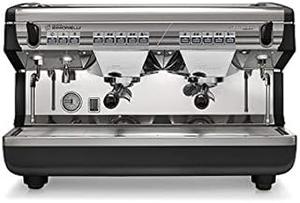 Check Price Check Price |
|
|
|
| La Marzocco Linea MiniCheck Price |
|
|
|
| Rancilio Silvia Espresso MachineCheck Price |
|
|
|
| Breville BES870XL Barista ExpressCheck Price |
|
|
|
| Victoria Arduino Black EagleCheck Price |
|
|
|
Best Used Commercial Coffee Machines
Nuova Simonelli Appia II
Nuova Simonelli’s Appia II is a popular choice for those who need reliability without breaking the bank. This machine is packed with features that make it perfect for busy cafes-like automatic dosing, dual steam wands, and easy programmability. Though it doesn’t have quite the same luxurious feel as more expensive models, it performs remarkably well, offering fantastic value for money. Just be aware that it can be a bit noisy when running and doesn’t have as many customization options.
Features:
- Automatic dosing, programmable settings, ergonomic design, dual steam wands, high productivity output.
Pros:
- Great value for money, durable, excellent for high-volume use, easy to clean and maintain.
Cons:
- Not as high-end as some other models, limited customizability, can be loud during operation.
La Marzocco Linea Mini
The La Marzocco Linea Mini is a beloved choice for cafes that demand a perfect espresso shot every time. While it’s a bit of an investment, its dual boilers ensure that you can steam milk and brew espresso simultaneously, making it a workhorse for busy baristas. With its sleek, professional design and customizable features, it strikes the perfect balance between user-friendly and high-end performance. Just keep in mind that it’s a bit on the pricey side and takes up a decent amount of space in smaller establishments.
Features:
- Dual boilers, PID temperature control, commercial-grade group head, volumetric dosing, customizable interface, stainless steel build.
Pros:
- Highly reliable, exceptional temperature stability, easy to use, customizable, great for high-volume establishments.
Cons:
- Expensive, may require professional maintenance for optimal performance, large footprint.
Rancilio Silvia Espresso Machine
The Rancilio Silvia is a fantastic option for smaller cafes or those just starting out. While it’s more compact and affordable than other commercial models, it still delivers a strong performance with its commercial-grade portafilter and reliable steam wand. It’s perfect for low to medium traffic establishments, but if you’re expecting high volumes of customers, you might find it struggles a bit due to its single boiler setup. It’s easy to use, easy to clean, and offers solid value for money.
Features:
- Single boiler, commercial-grade portafilter, steam wand, ergonomic design, compact.
Pros:
- Affordable, durable, great for smaller establishments or home use, easy to operate.
Cons:
- Single boiler limits simultaneous steaming and brewing, can get hot quickly under heavy use.
Breville BES870XL Barista Express
For a commercial machine that feels like a pro’s choice without the massive price tag, the Breville Barista Express is a fan favorite. It combines a high-quality conical burr grinder with an espresso machine, making it perfect for smaller coffee shops or even high-end home use. The pressure gauge and thermocoil heating system help ensure optimal brewing, while the steam wand allows you to froth milk with ease. It’s a bit more suited for medium to low volume, though, and it won’t hold up as well as heavy-duty machines in super high-demand environments.
Features:
- Integrated conical burr grinder, pressure gauge, steam wand, thermocoil heating system, easy-to-use interface.
Pros:
- Affordable, all-in-one solution, great for beginner to intermediate baristas, quick setup.
Cons:
- Not suited for very high-volume environments, grinder can wear out over time, plastic components.
Victoria Arduino Black Eagle
If you’re looking for an espresso machine that screams high-end luxury and performance, the Victoria Arduino Black Eagle is the one. This machine is built for precision, featuring the T3 system that offers rock-solid temperature stability. It’s perfect for cafes that take their espresso seriously, with features like volumetric and manual dosing and pressure profiling to dial in the perfect shot. The modern, sleek design makes it a showpiece for any café. However, it comes with a hefty price tag, and its large size and frequent need for maintenance might not suit every business.
Features:
- T3 system for temperature stability, volumetric and manual dosing, ergonomic group heads, pressure profiling, state-of-the-art design.
Pros:
- Superb temperature control, precise and consistent espresso shots, modern aesthetic, perfect for high-end cafes.
Cons:
- Very expensive, requires regular maintenance, large size.
Reasons To Choose Used Commercial Coffee Machines
-
Cost-Effectiveness
The most immediate and obvious reason to buy a used commercial coffee machine is the significant cost savings. New commercial coffee machines can cost thousands of dollars, but used machines often come at a fraction of the price. This lower initial investment can make a huge difference, especially for smaller businesses or startups that may not have a large capital budget. The savings can be used for other critical areas of the business, such as marketing, employee training, or inventory.
-
Depreciation
New coffee machines depreciate the moment they are used. In fact, the value of a new machine can drop by 20-30% in the first year alone. Purchasing a used machine allows you to bypass this depreciation, meaning you can get a more valuable asset for a lower price.
-
High-Quality Equipment At Lower Prices
Many high-end commercial coffee machines are built to last for years, even decades, with proper maintenance. Buying a used machine allows you to invest in premium, top-tier equipment that would otherwise be out of your price range if purchased new. For example, a high-end espresso machine from brands like La Marzocco or Synesso can last a lifetime if cared for properly, and buying used can make such equipment accessible to businesses with tighter budgets.
-
Sustainability
Buying used equipment is also a more environmentally responsible choice. By opting for a pre-owned machine, you are contributing to reducing waste and supporting a circular economy. Instead of sending perfectly functional equipment to a landfill, you’re giving it a second life, which helps minimize the environmental impact of manufacturing new machines.
Buyer Guide For Used Commercial Coffee Machines
When purchasing a used commercial coffee machine, it’s crucial to make informed decisions to ensure that you’re buying a machine that is reliable, cost-effective, and in good condition. Here are the steps to guide you through the buying process:
-
Understand Your Needs
Before you begin shopping for a used coffee machine, you must assess your business’s needs. Are you running a small cafe that serves a limited number of drinks daily, or are you operating a busy high-volume coffee shop? The amount of coffee you intend to produce will influence the type and size of the machine you need.
-
Research The Brands And Models
Not all commercial coffee machines are created equal. Some brands are known for producing highly durable and efficient machines, while others might have more frequent issues. Research the most reputable brands, read reviews, and understand the key features and specifications of the models that would suit your business. Popular brands like Faema, Rancilio, and Nuova Simonelli often come highly recommended in the commercial coffee machine market.
-
Check For Certification And Warranty
Even though the machine is used, it’s important to ensure that it has been certified and inspected by professionals. Many sellers provide warranties for used coffee machines, which offer peace of mind in case something goes wrong shortly after purchase. Always ask about the warranty terms and ensure the machine has been tested for safety.
-
Inspect The Condition
Always inspect the used machine carefully before making a purchase. Look for signs of wear and tear, rust, or any obvious damage. Ask for service records to determine how well the machine has been maintained. If possible, test the machine before purchasing to ensure it operates as expected.
-
Consider The Cost Of Refurbishment
Some used machines may require refurbishment to get them into top working condition. This could involve replacing certain parts, such as pumps or boilers, or fixing minor cosmetic damage. Factor these potential additional costs into your budget to avoid unexpected expenses after the purchase.
Key Features To Consider
When evaluating a used commercial coffee machine, there are several key features that you should consider to ensure that the machine suits your business needs and will operate effectively for years to come:
-
Capacity And Output
The capacity of the coffee machine refers to how much coffee it can produce per hour or per day. A larger, more robust machine will be necessary for high-volume businesses that need to prepare large amounts of coffee quickly. Consider the machine’s group head configuration, boiler size, and portafilters to ensure it can handle your expected volume.
-
Ease Of Use And Training
A commercial coffee machine should be intuitive to use, even for new employees. Look for machines with user-friendly interfaces and easily adjustable settings. Many modern machines also come with programmable features that can automate certain steps, such as shot timing and temperature control, reducing the margin for error.
-
Energy Efficiency
Commercial coffee machines can consume a lot of energy, and running an inefficient machine can significantly increase your operational costs. Look for models that are energy-efficient and designed to minimize power consumption without compromising on performance.
-
Serviceability And Availability Of Parts
Used machines may need repairs or parts replacements at some point, so it’s important to choose a model with easy access to replacement parts and qualified service technicians. Ensure that the machine is from a brand with a good reputation for after-sales support and easy-to-find parts.
-
Water Quality And Filtration
Water quality plays a significant role in the taste of coffee, and poor water quality can affect both the flavor and the longevity of your equipment. Some machines come with built-in water filtration systems, but if the one you are buying doesn’t, be sure to invest in a separate water filtration system to prevent scale buildup and other issues.
Best Practices
Once you’ve purchased a used commercial coffee machine, the next step is ensuring its long-term performance. Here are some best practices to follow:
-
Proper Training
Make sure that all employees are properly trained on how to use the coffee machine. This includes understanding how to pull shots, steam milk, and adjust settings for consistency. Proper training reduces the risk of user error and extends the life of the machine.
-
Routine Cleaning
Coffee machines require regular cleaning to maintain their performance. Clean the group heads, steam wands, and drip trays daily to avoid buildup of coffee oils and milk residues. Additionally, descaling the machine regularly prevents mineral deposits from clogging the machine’s internal components.
-
Avoid Overloading
Overloading the machine with too many coffee orders in a short period can cause excessive wear and tear. Ensure that the machine is not pushed beyond its capabilities, especially during peak hours. Take breaks to allow the machine to cool down and avoid overheating.
-
Monitor Performance
Keep an eye on the machine’s performance, including temperature control, pressure, and flow rate. If you notice any irregularities, address them promptly to avoid more significant issues down the line.
Maintenance And Cleaning Guidelines
Regular maintenance and cleaning are critical to prolonging the lifespan of your used commercial coffee machine. Here are the key steps to follow:
- Daily Cleaning
- Group Heads: Clean the group heads and portafilters at the end of each day to prevent coffee oils from accumulating.
- Steam Wand: Purge the steam wand after each use to remove milk residue and keep it functioning correctly.
- Drip Tray and Spill Tray: Empty and clean the drip trays and spill trays daily to prevent overflow and contamination.
- Weekly Cleaning
- Backflushing: Backflush the machine to clean the internal components, removing any coffee grounds or oils from the group heads.
- Descaling: Run a descaling solution through the machine to remove mineral buildup caused by hard water.
- Monthly Maintenance
- Replace Gaskets: Inspect and replace gaskets, seals, and O-rings as needed to ensure proper function.
- Check Pressure: Test the machine’s pressure and adjust it if necessary to ensure consistent coffee extraction.
Best Places To Buy Used Commercial Coffee Machines
When purchasing a used commercial coffee machine, it’s essential to source it from a reputable seller. Here are some of the best places to look:
-
Certified Dealers And Retailers
Many certified dealers specialize in selling refurbished or used commercial coffee machines. These dealers often offer warranties and ensure the machines are fully tested and serviced.
-
Online Marketplaces
Websites like eBay, Craigslist, and specialized coffee equipment platforms like CoffeeGeek and UsedCoffeeMachines.com can be excellent resources for finding used machines. Always read reviews, check the seller’s reputation, and ask for detailed photos and service records before purchasing.
-
Local Coffee Equipment Suppliers
Local suppliers of commercial coffee equipment may have used machines in stock. These suppliers often offer both new and refurbished equipment and may provide service contracts and warranties.
-
Auctions
Some businesses sell their used coffee equipment through auctions. Auctions can offer significant savings, but it’s important to inspect the machine before bidding to avoid potential issues.
Wrapping Up
Buying a used commercial coffee machine can be an excellent choice for coffee businesses looking to save money without sacrificing quality. However, it’s essential to carefully consider your needs, the machine’s condition, and its features before making a purchase. By following the guidelines and best practices provided in this guide, you can ensure that your used coffee machine serves your business reliably and efficiently for years to come.