
Best Coffee Shop Espresso Machines (KEY FACTORS)
By Jamie — Coffee Equipment Reviewer | Last Updated on February 25, 2026
Note: This page contains affiliate links. As an Amazon Associate, I earn from qualifying purchases when you click on the link, but you are not charged extra.
In today’s fast-paced world, coffee has become much more than just a drink – it’s a lifestyle. Whether it’s the soothing ritual of your morning cup or the mid-day caffeine fix, coffee plays an integral part in daily routines. For coffee shop owners, delivering a high-quality espresso experience is paramount to gaining customer loyalty and standing out in a competitive market. The heart of every coffee shop’s espresso-based offerings lies in the machine used to create these beverages. The espresso machine is not just a tool; it’s a cornerstone of the coffee shop’s success, influencing the taste, consistency, and speed of service.
Choosing the right espresso machine for a coffee shop involves a careful balance between performance, durability, ease of use, and the ability to deliver consistently great espresso drinks. This guide explores why investing in a premium coffee shop espresso machine is essential, and how to choose the perfect one for your needs. From understanding the key features that matter most to proper maintenance and care, this guide provides everything you need to ensure your espresso machine is an asset to your business.
Best Coffee Shop Espresso Machines: Comparison Table
| Features | Pros | Cons | |
|---|---|---|---|
Nuova Simonelli Aurelia II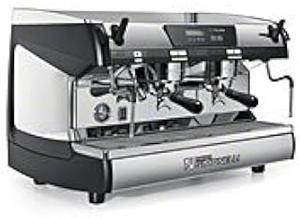 Check Price Check Price |
|
|
|
| La Marzocco Linea PBCheck Price |
|
|
|
| Rancilio Classe 11Check Price |
|
|
|
| Synesso MVP HydraCheck Price |
|
|
|
| Victoria Arduino Black EagleCheck Price |
|
|
|
Best Coffee Shop Espresso Machines
Nuova Simonelli Aurelia II
The Nuova Simonelli Aurelia II is a top-tier espresso machine designed with high-volume coffee shops in mind. Its multi-boiler system and high-performance pumps ensure that you get the most precise and consistent shots possible. The touchscreen interface is a huge plus for ease of use, and the energy-saving features are a nice bonus. However, it’s a pricey investment, and like most high-end machines, you’ll need to stay on top of its maintenance. Plus, it’s a bit on the bulky side, so make sure you’ve got the space for it.
Features:
- Multi-boiler system
- High-performance pumps
- Touchscreen interface
- Automatic volumetric dosing
- Hot water economizer
Pros:
- Excellent for high-volume use
- User-friendly touchscreen
- Highly precise shots
- Great energy efficiency
Cons:
- Expensive
- Can be tricky to maintain
- Not the most compact machine
La Marzocco Linea PB
The La Marzocco Linea PB is one of those espresso machines that’s a true workhorse in the coffee world. With dual boilers and PID temperature control, it’s built for ultimate precision and reliability, which is exactly what you want when you’re serving up espresso after espresso. It can handle high volumes with ease, which makes it perfect for busy coffee shops. But, yeah, the price tag can be a bit daunting for some, and it’s no small machine, so you’ll need to make sure your space can handle it. And while maintenance isn’t a breeze, it’s worth it for the quality you get.
Features:
- Dual boilers
- PID temperature control
- Multiple group heads
- Advanced pre-infusion system
- Solid build quality
Pros:
- Unmatched consistency
- Highly customizable
- Excellent temperature stability
- Durable
- Perfect for high-volume environments
Cons:
- Expensive
- Takes up a lot of space
- Complex to maintain
Rancilio Classe 11
The Rancilio Classe 11 has a really sleek design that’s bound to impress your customers, and it’s super user-friendly, which is ideal for both rookie and seasoned baristas alike. With its LED display and energy-saving features, it’s a good choice for shops that want a balance of style, efficiency, and ease of use. It doesn’t have quite the power of the heavy hitters, and during busy hours, you might notice a bit of lag. But for most smaller to medium-sized coffee shops, it gets the job done well without breaking the bank.
Features:
- Integrated LED display
- User-friendly interface
- Multifunctional group heads
- Energy-efficient
- Automatic cleaning cycles
Pros:
- Sleek design
- Great for both beginner and experienced baristas
- Saves energy
- Easy to clean
Cons:
- Not the most powerful option
- Can be slower in peak hours
- Less customizable than others
Synesso MVP Hydra
The Synesso MVP Hydra is for those coffee shops that want to push the boundaries of espresso-making. This beast lets you control the pressure and flow rate of each individual brew head, which is a game changer for getting the perfect shot every time. The dual boilers and PID control ensure that your temperature remains spot on, and the built-in shot timers make monitoring consistency easy. But let’s be real-it’s not cheap, and you really need experienced baristas to get the most out of it. Plus, it’s quite large, so make sure you have the space for it.
Features:
- Individual brew pressure control
- Customizable flow rate
- Dual boilers
- PID control
- Built-in shot timers
Pros:
- Unparalleled control over brewing
- High-quality build
- Super consistent shots
- Great for experimenting with coffee profiles
Cons:
- Very expensive
- Requires skilled baristas to use effectively
- Large footprint
Victoria Arduino Black Eagle
If you want a machine that’s as stylish as it is functional, the Victoria Arduino Black Eagle is hard to beat. With its T3 temperature stability system, you’re guaranteed consistent shots, and the low energy consumption is a nice perk. The multi-functional touchpad is packed with options for those who want to get into the nitty-gritty of espresso making, and the design is sleek enough to be the centerpiece of your shop. But, be prepared to shell out some serious cash for it, and while it’s great for experienced baristas, newbies might find it a little daunting at first. It’s also a bit on the larger side, so plan your space accordingly.
Features:
- T3 temperature stability system
- Low energy consumption
- Multi-functional touchpad
- Advanced pre-infusion
- Sleek design
Pros:
- Super stable temperature control
- Very energy-efficient
- Beautiful design
- Great for precision shots
Cons:
- Expensive
- Can be a bit complex for new users
- Takes up space
Reasons To Choose Coffee Shop Espresso Machines
When running a coffee shop, the quality of espresso you serve can significantly influence your reputation and bottom line. Espresso machines designed specifically for coffee shops offer several advantages over home-use models.
Consistency And Quality
A commercial espresso machine is engineered to provide consistency with every cup. These machines are built with powerful pumps and boilers capable of maintaining stable pressure and temperature, essential for brewing the perfect shot of espresso. This is crucial in a commercial setting where hundreds of cups are brewed each day. Without the right equipment, the taste can fluctuate, which will inevitably affect customer satisfaction.
Durability And Longevity
Commercial-grade espresso machines are designed to withstand the heavy demands of a busy coffee shop. Unlike home espresso machines, which are made for occasional use, coffee shop models are built to endure constant operation, high temperatures, and extended use. Their rugged construction ensures a longer lifespan, making them a smart investment for business owners.
Speed And Efficiency
A coffee shop espresso machine is capable of quickly brewing multiple cups simultaneously. These machines feature advanced features such as multiple group heads, fast heat-up times, and automatic shot timers that speed up the process. For a coffee shop with a high volume of customers, efficiency is key to reducing wait times and increasing throughput.
Advanced Features
Commercial espresso machines come with several advanced features that improve the overall brewing experience, such as programmable shot volumes, temperature control, pressure profiling, and more. These features allow for precise customization, helping to produce beverages with more complexity and flavor. Such capabilities are typically absent in home espresso machines, which are more basic in comparison.
Customer Experience
The look and feel of the espresso machine itself plays a role in creating an inviting atmosphere. Coffee shops often opt for sleek, modern designs that not only enhance the aesthetic but also serve as a showpiece for customers. Watching skilled baristas craft lattes or cappuccinos on a high-quality machine can enhance the overall coffee experience for patrons, making them feel like they’re in a specialized environment.
Buyer Guide For Coffee Shop Espresso Machines
When choosing an espresso machine for your coffee shop, there are several factors to consider that will ensure you make the right investment. Here’s a comprehensive guide to help you understand what to look for:
Machine Type: Semi-Automatic, Automatic, Or Manual
Espresso machines fall into three categories:
- Semi-Automatic: These machines provide a balance of control and ease. They allow the barista to control the extraction process but automate the water flow, making them the most popular choice for coffee shops.
- Automatic: These machines automate almost every aspect of brewing, from water flow to shot timing. While they are less hands-on for the barista, they are excellent for consistency in high-volume environments.
- Manual: These machines require the barista to control every aspect of the brewing process. They offer the most control over the espresso-making process but require more skill and experience.
Size And Capacity
Size matters when choosing an espresso machine for a coffee shop. Machines are available in different sizes and capacities to cater to various levels of demand. Consider factors such as:
- Number of group heads: Coffee shops with a high customer volume should opt for machines with multiple group heads (usually 2 to 4). Each group head allows you to brew multiple espresso shots simultaneously.
- Boiler capacity: Larger boilers ensure consistent water temperature and steam pressure, reducing the chance of temperature fluctuations when brewing and steaming milk.
Power Supply
Make sure that the power supply in your coffee shop can handle the machine’s requirements. Commercial espresso machines typically run on 220V electricity or higher, so it’s important to confirm your setup can support the machine without causing electrical issues.
Budget
While you might be tempted to cut costs, it’s important to understand that a coffee shop espresso machine is an investment. High-end models can be expensive, but they offer better durability, performance, and efficiency. The cost of a quality espresso machine typically ranges from $3,000 to $15,000 or more, depending on the brand, features, and capacity. Balancing quality and cost will be crucial to ensure you stay within your budget while getting the best value for your money.
Key Features To Consider
When evaluating different espresso machines, there are several features that you should prioritize to ensure the machine meets the demands of your coffee shop:
Temperature Control
The temperature of the water used in espresso extraction is crucial to the flavor profile. Many high-end commercial espresso machines feature advanced temperature control systems, such as PID controllers, which allow precise regulation of the brewing temperature. This is essential for consistent quality and optimizing the flavor of the coffee.
Steam Power
The ability to steam milk is vital for making lattes, cappuccinos, and other milk-based drinks. A strong, consistent steam output is essential for frothing milk quickly and to the correct texture. Look for machines with powerful steam wands and an efficient steam boiler.
Pressure Regulation
Pressure profiling allows baristas to adjust the pressure throughout the extraction process. Machines with adjustable pressure profiles provide more control over the brewing process, enhancing the espresso flavor.
Ease Of Use
Your baristas will be using the machine extensively, so it’s essential to consider how user-friendly it is. Look for machines that offer intuitive controls, clear displays, and easy-to-maintain features.
Water Filtration System
Quality water is essential for great espresso. Many commercial espresso machines come with built-in water filtration systems to remove impurities and ensure the water is optimal for brewing. This is crucial for maintaining the longevity of the machine and producing great-tasting coffee.
Best Practices
Once you’ve selected the right espresso machine for your coffee shop, it’s important to follow best practices for optimal performance. Here are a few guidelines to keep in mind:
Preheat The Machine
Always preheat the espresso machine and portafilters before brewing. This ensures the water remains at a consistent temperature throughout the extraction process, which is critical for producing great espresso.
Grind Fresh Coffee Beans
For the best flavor, grind your coffee beans fresh for each shot. The grind size directly impacts the extraction process. A fine, consistent grind is ideal for espresso.
Consistent Dosing
Use a consistent amount of coffee for each shot. Accurate dosing helps maintain consistency in flavor and texture. Many coffee shops use a scale to weigh out their coffee doses.
Proper Tamping
Tamping the coffee grounds evenly and with the correct pressure is key to ensuring uniform extraction. A good tamp prevents channeling and ensures the espresso is brewed evenly.
Maintenance And Cleaning Guidelines
Proper maintenance and regular cleaning of your coffee shop espresso machine will ensure it operates at peak performance and prolong its lifespan.
Daily Cleaning
At the end of each day, clean the portafilters, group heads, and steam wands to prevent the buildup of coffee oils and milk residue. Use a group head brush and clean cloths to wipe down surfaces.
Weekly Deep Cleaning
Once a week, perform a deep cleaning of the machine. This includes backflushing the group heads with a cleaning solution and descaling the machine if necessary.
Replace Water Filters
Water filters should be replaced every 3-6 months, depending on water quality. A dirty or worn-out filter can affect the taste of your coffee and the longevity of the machine.
Check For Wear And Tear
Regularly inspect the machine for signs of wear and tear, especially on parts like gaskets, seals, and steam wands. Replace any worn components immediately to avoid breakdowns.
Best Places To Buy Coffee Shop Espresso Machines
When purchasing an espresso machine for your coffee shop, it’s crucial to source it from reputable dealers who offer warranties, customer support, and training. Here are some of the best places to buy a coffee shop espresso machine:
Authorized Dealers
Buy from authorized dealers of well-known espresso machine brands like La Marzocco, Synesso, and Victoria Arduino. They often offer warranties and support.
Online Marketplaces
Reputable online marketplaces like Espresso Parts and Seattle Coffee Gear provide a wide range of machines, often with the added benefit of customer reviews and comprehensive product descriptions.
Local Coffee Equipment Suppliers
Many regions have local suppliers specializing in commercial coffee equipment. They offer in-person consultations, delivery, and installation services, ensuring you get the right machine for your needs.
Wrapping Up
Selecting the right espresso machine for your coffee shop is more than just a purchase; it’s an investment in your business’s future. By choosing a machine that suits your needs, keeping it well-maintained, and following best practices for its use, you’ll be able to consistently deliver high-quality espresso that will delight your customers and keep them coming back for more.