
Best Bean-to-cup Commercial Coffee Machines (KEY FACTORS)
By Jamie — Coffee Equipment Reviewer | Last Updated on January 28, 2026
Note: This page contains affiliate links. As an Amazon Associate, I earn from qualifying purchases when you click on the link, but you are not charged extra.
In today’s fast-paced, coffee-driven world, the demand for high-quality coffee has never been greater. Whether you’re operating a bustling café, a modern office, or a high-end hotel, a commercial coffee machine is no longer just a luxury-it’s an essential tool. Among the various types of coffee machines available, bean-to-cup commercial coffee machines have surged in popularity due to their ability to provide fresh, personalized coffee at the touch of a button. These machines not only grind the beans fresh for every cup but also ensure the kind of consistency and quality that keeps customers returning. In this guide, we will explore why bean-to-cup coffee machines are an excellent choice for commercial settings, what to look for when buying one, and how to keep your machine running smoothly to maximize its lifespan.
Best Bean-to-cup Commercial Coffee Machines: Comparison Table
| Features | Pros | Cons | |
|---|---|---|---|
Jura GIGA 6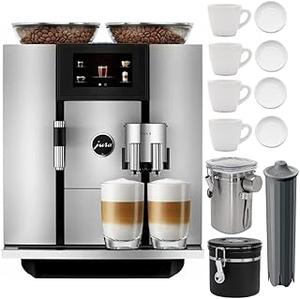 Check Price Check Price |
|
|
|
| Saeco Aulika Top HSCCheck Price |
|
|
|
| Franke A800Check Price |
|
|
|
| La Marzocco Linea MiniCheck Price |
|
|
|
| Melitta Caffeo Barista TCheck Price |
|
|
|
Best Bean-to-cup Commercial Coffee Machines
Jura GIGA 6
The Jura GIGA 6 is a powerhouse designed for busy environments. It’s equipped with dual grinders, allowing you to brew two different types of coffee beans at once, making it a fantastic option for customers with varied tastes. The automatic milk frothing system is a huge plus, and its user-friendly touchscreen makes customization a breeze. However, the machine’s premium features come with a premium price, and it does require some space on your counter.
Features:
- Dual coffee grinders, color touchscreen, automatic milk frothing, customizable coffee strength, adjustable brewing temperature, 2 liters water tank.
Pros:
- Incredibly high-quality coffee, sleek design, customizable settings, two grinders for enhanced flexibility.
Cons:
- High price point, takes up considerable counter space.
Saeco Aulika Top HSC
If you’re looking for a reliable workhorse that’s easy to use and gets the job done quickly, the Saeco Aulika Top HSC is a solid choice. It has a fantastic milk frothing system that creates smooth, creamy froth every time. The customizable coffee volume and large milk container make it perfect for high-traffic areas. It’s not the quietest machine on the market, but it balances speed, quality, and cost-effectiveness quite well.
Features:
- Automatic milk frothing, touch screen interface, adjustable spouts, large 1.5-liter milk container, customizable coffee volume.
Pros:
- Fast brewing time, great milk frothing, easy to use, good value for money.
Cons:
- Louder than some competitors, milk container needs to be cleaned after each use.
Franke A800
The Franke A800 is built for high-end commercial use, offering a robust design that can handle a large volume of coffee orders. The touchscreen interface is intuitive, and the milk foaming system delivers perfect texture every time. The large capacity ensures you’re not constantly refilling. However, the setup can be a bit daunting, and it requires significant space in your establishment. Once it’s up and running, though, it’s a top-notch performer.
Features:
- Touch screen, integrated milk foaming, energy-efficient, customizable drink options, large capacity, easy maintenance.
Pros:
- Impressive build quality, intuitive interface, and reliable consistency.
Cons:
- Complex initial setup, larger than many other machines.
La Marzocco Linea Mini
La Marzocco’s Linea Mini is a well-regarded machine that balances precision and performance. With its dual boiler system and PID temperature control, you get consistent shots every time. The pre-infusion feature is great for enhancing flavor extraction, and the integrated brew group ensures a smoother process. While it doesn’t have the bells and whistles of some other commercial machines, it’s an incredibly reliable workhorse, though it comes at a steep price.
Features:
- Dual boiler, PID temperature control, pre-infusion, integrated brew group, compact design.
Pros:
- Excellent build quality, reliable, precise temperature control.
Cons:
- Expensive, limited features compared to others in its class.
Melitta Caffeo Barista T
The Melitta Caffeo Barista T is perfect for those who want variety and convenience. Its dual bean hopper allows you to brew two different types of coffee at the same time, while the milk system ensures that you can create perfect cappuccinos and lattes. The touch screen is easy to use, and the coffee customization options are almost endless. The machine is on the bulkier side, so you’ll need to plan your counter space accordingly, but for the quality it offers, it’s definitely worth it.
Features:
- Dual bean hopper, milk system, intuitive touch screen, customizable coffee options, 1.8-liter water tank.
Pros:
- Great for both coffee and milk-based drinks, excellent variety of customization options.
Cons:
- A bit bulky, may take up more counter space than smaller models.
Reasons To Choose Bean-to-cup Commercial Coffee Machines
There are several compelling reasons why a bean-to-cup coffee machine should be the go-to choice for any commercial establishment that serves coffee. Here’s a breakdown:
- Freshness of Coffee: The hallmark of a bean-to-cup coffee machine is its ability to grind fresh beans with each cup. This results in a richer, more robust flavor compared to machines that use pre-ground coffee, which can lose its aroma and freshness over time.
- Consistency: Commercial bean-to-cup machines are designed for high-volume use. Whether you’re serving five cups or fifty, these machines offer consistency in flavor, temperature, and presentation, ensuring each cup meets the same high standards.
- Customization: These machines often come with programmable settings that allow users to customize their coffee to perfection. From adjusting grind size and brew strength to selecting different coffee types (espresso, cappuccino, latte, etc.), bean-to-cup machines offer versatility for both baristas and customers.
- Speed and Efficiency: High-end bean-to-cup machines are fast, delivering a cup of coffee in a matter of seconds, even with freshly ground beans. This speed ensures that your customers get their coffee quickly, making it perfect for high-traffic areas like offices, hotels, or large cafes.
- Compact and All-in-One Design: Unlike traditional espresso machines that require separate grinders and additional equipment, bean-to-cup machines integrate all the necessary functions into one streamlined unit. This makes them space-efficient and easy to use.
- Long-Term Cost Savings: Although the initial investment in a bean-to-cup machine may be higher than other types of coffee makers, the quality and efficiency it provides, combined with its ability to use whole beans instead of pre-ground coffee, can result in long-term cost savings.
Buyer Guide For Bean-to-cup Commercial Coffee Machines
When purchasing a bean-to-cup coffee machine for your business, there are several factors to consider. Understanding these will ensure that you select the right machine for your needs and avoid unnecessary costs.
- Volume Requirements: Start by assessing how much coffee your establishment needs to produce daily. High-traffic businesses, like cafes or large offices, will require machines with higher output capacity (typically measured in cups per hour). If you’re serving fewer customers or providing specialty drinks, a machine with a lower volume capacity might suffice.
- User-Friendliness: Look for machines that offer an intuitive interface, especially if your staff will be operating it. Some machines come with touch-screen interfaces or programmable buttons that make operation simple and fast.
- Coffee Quality: Ensure that the machine delivers high-quality coffee with rich flavors and precise temperature control. Machines with advanced brewing technology, such as a ceramic grinder or precise temperature management, can drastically improve the quality of the coffee.
- Grinder Quality: The grinder is one of the most important components of a bean-to-cup machine. Look for machines with high-quality burr grinders, as these ensure an even grind and minimize heat generation that could impact flavor. Also, adjustable grinders offer greater control over the coffee’s taste profile.
- Milk Frothing Options: If you plan to offer milk-based beverages like lattes or cappuccinos, consider machines with built-in milk frothing capabilities. Some machines come with automatic milk frothers that steam and froth milk to perfection, while others require manual intervention.
- Size and Footprint: Depending on the space available in your establishment, consider the size of the machine. Some bean-to-cup machines are large and bulky, while others are more compact and space-efficient. Be sure to choose one that fits your workspace without compromising functionality.
- Durability and Build Quality: Commercial-grade machines should be built to last, especially since they will be in use for long hours every day. Look for machines made from durable materials like stainless steel, which can withstand heavy usage and resist wear and tear.
Key Features To Consider
When selecting a bean-to-cup coffee machine, several key features will directly impact its performance and suitability for your business. These include:
- Integrated Grinder: A high-quality grinder ensures that the beans are ground fresh for every cup. Look for machines with adjustable grind settings that can cater to different coffee types, from espresso to drip coffee.
- Automated Brewing Functions: Automated brewing systems take the guesswork out of making coffee. These systems allow you to set the brewing time, temperature, and strength of the coffee to your exact preferences. Some machines even come with pre-set recipes for different types of coffee drinks.
- Touchscreen Display: A user-friendly touchscreen display allows operators to quickly choose and customize their coffee drinks, whether it’s a simple black coffee or a complex cappuccino. Look for machines that are easy to navigate and feature intuitive programming.
- Milk Frother: If you plan to serve a variety of milk-based drinks, look for a machine with a high-quality milk frothing system. Some machines come with automatic milk frothers that steam and froth milk to your desired consistency, while others may have manual options.
- Cleaning and Maintenance Alerts: Some machines are equipped with automated cleaning and maintenance alerts that notify you when it’s time to perform routine maintenance tasks, such as descaling or cleaning the brewing unit.
- Multiple Beverage Options: Some bean-to-cup machines can brew a wide variety of beverages, such as espresso, cappuccinos, lattes, and hot chocolate. This feature is especially important for businesses looking to offer a diverse coffee menu.
Best Practices
To get the best results and ensure longevity from your bean-to-cup coffee machine, it’s essential to follow certain best practices:
- Use Fresh, High-Quality Beans: The quality of your coffee beans will have a direct impact on the flavor of your coffee. Always use fresh, high-quality beans that are suited for your specific machine.
- Calibrate Regularly: Regularly calibrate your machine to ensure the grind size and brewing temperature are optimal for the beans you’re using. Over time, different batches of beans may require slight adjustments.
- Don’t Overfill the Bean Hopper: Overfilling the hopper can lead to inconsistent grinds and jams. Stick to the recommended bean quantities to avoid clogging the system.
- Regularly Test Your Beverages: Before opening for business each day, test a sample of the drinks your machine produces. This ensures that the machine is working at its best and can catch any problems early.
Maintenance And Cleaning Guidelines
Proper maintenance and cleaning are crucial to prolonging the life of your bean-to-cup coffee machine. Follow these guidelines:
- Daily Cleaning: Remove any coffee residue, milk deposits, and oils from the machine. Clean the drip tray, coffee grounds container, and any milk-related components daily to prevent buildup.
- Regular Descaling: Mineral buildup can clog the brewing system and impact the flavor of your coffee. Depending on your water hardness, descale the machine every 1-3 months.
- Clean the Grinder: The grinder should be cleaned regularly to prevent coffee oils from accumulating, which can impact flavor and cause the grinder to become clogged.
- Replace Filters and Seals: Regularly replace water filters and any rubber seals that may wear down over time to ensure optimal water quality and machine performance.
Best Places To Buy Bean-to-cup Commercial Coffee Machines
- Authorized Dealers: Buying from authorized dealers ensures that you receive a genuine product along with the manufacturer’s warranty. They also offer support services, such as installation and maintenance.
- Online Retailers: Websites like Amazon and specialized coffee equipment retailers provide a wide range of bean-to-cup machines with customer reviews to help inform your decision.
- Coffee Equipment Suppliers: Many coffee equipment suppliers offer both new and refurbished machines at competitive prices. They often have expert staff who can help you choose the right machine for your needs.
Wrapping Up
A bean-to-cup coffee machine is an investment that can elevate the quality of your coffee, enhance customer satisfaction, and streamline operations in your business. By understanding the features, benefits, and best practices associated with these machines, you can make an informed decision and ensure that you’re getting the best value for your money.