
Best Coffee Machines For Espresso (KEY FACTORS)
By Jamie — Coffee Equipment Reviewer | Last Updated on February 8, 2026
Note: This page contains affiliate links. As an Amazon Associate, I earn from qualifying purchases when you click on the link, but you are not charged extra.
Espresso, the rich, concentrated coffee beverage that has taken the world by storm, requires more than just an expertly brewed shot to achieve its signature taste. A true espresso experience hinges on the quality of the coffee machine that produces it. While some may argue that espresso can only be enjoyed at a specialty café, the rise of home coffee enthusiasts and baristas has made owning a quality espresso machine more accessible than ever.
In this detailed guide, we’ll dive deep into why espresso machines are a game-changer for coffee lovers, how to select the best one for your needs, and how to maintain it for long-lasting performance. Whether you’re a novice looking to explore the world of espresso or an experienced barista aiming to elevate your brewing skills, this comprehensive exploration of espresso machines will serve as your trusted companion.
Best Coffee Machines For Espresso: Comparison Table
| Features | Pros | Cons | |
|---|---|---|---|
Gaggia Classic Pro Espresso Machine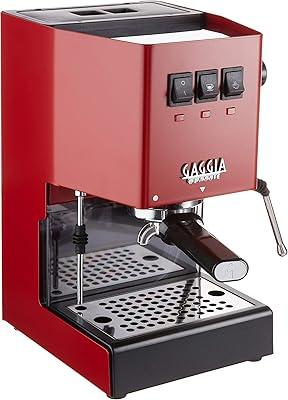 Check Price Check Price |
|
|
|
| Breville BES870XL Barista ExpressCheck Price |
|
|
|
| DeLonghi EC155 15 Bar Pump Espresso and Cappuccino MakerCheck Price |
|
|
|
| Rancilio Silvia Espresso MachineCheck Price |
|
|
|
| Nespresso Lattissima Pro by DeLonghiCheck Price |
|
|
|
Best Coffee Machines For Espresso
Gaggia Classic Pro Espresso Machine
The Gaggia Classic Pro is the perfect middle ground between an entry-level and professional machine. It gives you that commercial-quality espresso with a strong 58mm portafilter and solid steam capabilities. While it doesn’t come with a grinder (you’ll need to buy one), it’s relatively easy to use once you get the hang of it. It’s a no-frills design that’s built to last and offers a satisfying espresso experience, but you might need a bit of patience as you perfect your shot-making technique.
Features:
- Stainless steel housing, commercial-style portafilter, steam wand, 72oz water reservoir, solid build
Pros:
- Affordable for its quality, reliable performance, great steam wand, easy to clean
Cons:
- No grinder included, basic design, can take time to perfect shots
Breville BES870XL Barista Express
The Breville Barista Express is perfect for anyone who wants a high-quality espresso machine that also packs a grinder. This thing makes espresso and lattes like a pro, right at home. With its 15-bar Italian pump and powerful steam wand, you’ll have no problem pulling consistent shots and creating café-level frothy milk. However, it does need a bit of space on your countertop, and the grinder needs occasional cleaning to keep things running smoothly. It’s a small investment, but worth it for those serious about their espresso game.
Features:
- 15 bar Italian pump, integrated conical burr grinder, steam wand, stainless steel construction, LCD display
Pros:
- Easy to use, built-in grinder saves time, great steam wand for frothing milk, consistent espresso shots, durable construction
Cons:
- Takes up a lot of counter space, requires regular cleaning, a bit pricey
DeLonghi EC155 15 Bar Pump Espresso and Cappuccino Maker
The DeLonghi EC155 is a great entry-level espresso machine for those who don’t want to break the bank but still want solid espresso. It’s got that 15-bar pressure to pull decent shots, and the manual frother works well enough for some basic lattes or cappuccinos. It’s smaller than most espresso machines, so perfect for tight kitchens, but the plastic construction can feel a little flimsy, and you might have to fiddle with the frother to get it just right.
Features:
- 15 bar pressure, manual frother, self-priming system, compact size, stainless steel boiler
Pros:
- Affordable, compact, easy to use, decent quality espresso, quick heating
Cons:
- Plastic parts feel cheap, frother can be finicky, smaller water reservoir
Rancilio Silvia Espresso Machine
The Rancilio Silvia is a real beast. If you’re serious about espresso and willing to pay for it, this machine gives you that commercial-grade espresso experience. It features a heavy-duty build, a solid steam wand, and a 58mm portafilter to pull some of the most consistent and tasty shots you can get. However, it’s a bit of a heavyweight on your counter and doesn’t come with a built-in grinder, so be prepared to invest in that as well.
Features:
- Commercial-grade 58mm portafilter, steam wand, heavy-duty build, temperature control, high-quality espresso
Pros:
- Professional quality, excellent steam wand, customizable, durable
Cons:
- Expensive, large and heavy, no grinder included
Nespresso Lattissima Pro by DeLonghi
If convenience is what you’re after, the Nespresso Lattissima Pro is a dream. With its one-touch brewing and milk frother, you can have an espresso or latte in no time at all. The 19-bar pressure ensures a consistent shot, and the sleek touch screen makes it easy to customize your brew. The downside? You’re stuck with Nespresso pods, which can get pricey, and if you’re looking for a more hands-on espresso experience, this might not be for you.
Features:
- One-touch brewing, 19-bar pressure, integrated milk frother, sleek touch screen, customizable settings
Pros:
- Super convenient, consistent espresso, quick milk frothing, stylish design
Cons:
- Expensive pods, limited customization, no option for traditional espresso making
Reasons To Choose Coffee Machines For Espresso
When considering espresso machines for home use, there are several compelling reasons why you should opt for one, rather than relying on pre-brewed espresso pods or visiting your local coffee shop.
Customization
The hallmark of a great espresso is its ability to be customized to your exact preferences. Whether it’s adjusting the grind size, tamping pressure, or water temperature, an espresso machine allows you to tailor each cup to your unique taste. This control is especially vital for coffee aficionados who appreciate the nuances of a perfectly crafted shot.
Cost Efficiency
While the upfront cost of an espresso machine may seem daunting, it can actually save you money in the long run. Regular trips to coffee shops can quickly add up, especially if you’re a daily espresso drinker. Owning your machine allows you to make high-quality espresso at home, freeing you from expensive café visits.
Quality And Freshness
With a home espresso machine, you have the opportunity to use freshly ground beans, which is one of the most important factors in achieving a high-quality espresso. Pre-ground coffee, especially the kind sold in stores, can lose its freshness and aroma within a few days. Owning a grinder and brewing your espresso at home ensures maximum flavor retention.
Convenience
Having an espresso machine at home means you don’t have to leave your house to get your caffeine fix. It’s available whenever you want it, and you can brew espresso in the comfort of your own kitchen. For early risers or late-night coffee enthusiasts, this can be a game-changer.
Consistency
Once you master the art of using an espresso machine, you can achieve a level of consistency in every cup. Unlike café-made espresso, where variations in technique can lead to inconsistent results, your machine allows you to replicate the same high-quality espresso each time.
Buyer Guide For Coffee Machines For Espresso
Buying an espresso machine isn’t as simple as picking one off the shelf. Several factors need to be considered to ensure that the machine you choose meets your specific needs and brewing preferences.
Type Of Espresso Machine
There are four primary types of espresso machines: manual, semi-automatic, fully automatic, and super-automatic.
- Manual Espresso Machines: These offer the most control but require a deep knowledge of the espresso-making process. You’ll need to grind the coffee, tamp it, and manually control the extraction pressure and time.
- Semi-Automatic Espresso Machines: These are the most popular among home baristas. They automate the water pressure and temperature control, but you still need to grind the beans, tamp the coffee, and manage the brewing time.
- Fully Automatic Espresso Machines: These machines take care of the grinding, tamping, and extraction processes, leaving the user with minimal tasks. They’re a good choice for those who want convenience but still want to enjoy a quality espresso.
- Super-Automatic Espresso Machines: These machines are the easiest to use, offering fully automated grinding, brewing, and milk frothing. While ideal for beginners or those who prefer convenience, they can’t match the level of customization that semi-automatics provide.
Size And Capacity
Espresso machines come in various sizes, from compact countertop models to larger, commercial-style machines. Consider the space in your kitchen and how many cups of espresso you plan to brew in one session. Some machines offer multiple group heads (used for brewing), which is perfect for larger households or entertaining.
Material And Durability
High-quality espresso machines are built to last. Stainless steel is the most durable and heat-retaining material, making it ideal for espresso machines. Avoid machines that use cheap plastic parts, as they can break down over time and negatively affect the taste of your espresso.
Price Range
Espresso machines can range from affordable entry-level models to high-end, professional machines costing thousands of dollars. The price typically reflects the machine’s features, build quality, and longevity. As a beginner, you don’t need to invest in a top-tier model, but ensure you select one that offers a solid build and reliable performance.
Additional Features
Look for additional features that can enhance your espresso experience, such as:
- PID Temperature Control: Ensures consistent and precise brewing temperatures.
- Steam Wand: For frothing milk for lattes and cappuccinos.
- Pre-infusion: Allows for even extraction, leading to better espresso quality.
- Water filtration: Helps improve taste and extends the life of your machine.
Key Features To Consider
When evaluating espresso machines, it’s important to pay attention to key features that directly influence performance and user experience.
Heat-up Time
A fast heat-up time means you can brew espresso without waiting long periods. Some machines are ready to go in under 10 minutes, while others may take 20 minutes or longer. Consider how quickly you need your espresso in the mornings or during busy times.
Brew Pressure
Espresso should be brewed at around 9 bars of pressure for optimal extraction. Machines with adjustable pressure are ideal, allowing you to fine-tune the strength of each shot. Look for machines that can consistently maintain pressure throughout the brewing process.
Grinder Integration
Some machines come with built-in grinders, which is a convenient feature for those who want everything in one package. Freshly ground coffee makes a huge difference in the taste of your espresso. However, dedicated grinders are often more precise and provide better control over grind size.
Temperature Control
Stable and accurate temperature control is critical for extracting high-quality espresso. Fluctuations in water temperature can lead to under-extracted or over-extracted espresso, impacting flavor. PID controllers in high-end machines provide more accurate control over brewing temperature.
Best Practices
Once you’ve selected your espresso machine, it’s important to follow best practices to ensure the best possible results.
Use Fresh Beans
Freshness is key to great espresso. Grind your beans immediately before brewing to preserve their flavor. Ideally, you should use high-quality, single-origin beans and experiment with different roast profiles to find what works best for your palate.
Tamping
Tamping is an essential step in ensuring an even extraction. Apply consistent pressure when tamping the coffee grounds to create a smooth, level surface. This helps ensure that water flows evenly through the coffee puck.
Use Filtered Water
The quality of your water can affect the taste of your espresso. Tap water may contain minerals or impurities that alter the flavor. Using filtered water ensures cleaner taste and extends the life of your machine.
Pre-warm Your Machine
Pre-warming the machine, including the portafilter and cups, ensures that your espresso is brewed at the optimal temperature, improving the overall quality of the shot.
Monitor Extraction Time
Aim for an extraction time of 25-30 seconds. A shot brewed too fast may be under-extracted, while one brewed too long can become bitter. Adjust your grind size or tamping pressure to get the right timing.
Maintenance And Cleaning Guidelines
Proper care and regular maintenance are essential to keep your espresso machine functioning at its best.
Regular Cleaning
Clean your espresso machine daily to remove coffee oils, grounds, and any milk residue from the steam wand. Use a damp cloth for the machine’s exterior, and backflush the group head to keep it free from coffee buildup.
Descaling
Espresso machines are prone to mineral buildup over time, especially if you use hard water. Descale your machine regularly using a recommended descaling solution or vinegar to prevent clogs and maintain optimal performance.
Replacing Parts
Over time, certain components like the portafilter, gasket, or steam wand may wear out. Check these parts regularly for signs of damage, and replace them as needed to avoid negatively impacting the machine’s performance.
Best Places To Buy Coffee Machines For Espresso
When purchasing an espresso machine, it’s important to buy from reputable retailers. Online platforms such as Amazon, Specialty Coffee Retailers, and Official Brand Websites often offer competitive prices and warranties. For a more hands-on experience, check out local appliance stores or specialty coffee shops where you can test different models in person.
Wrapping Up
Choosing the right coffee machine for espresso is an exciting journey, one that opens up a world of coffee possibilities in your home. With so many machines, features, and factors to consider, finding the perfect espresso machine requires a mix of research, practical consideration, and a little bit of trial and error. By following the buyer guide, understanding the key features, and maintaining your machine properly, you’ll enjoy top-quality espresso at home for years to come.