
Best Manual Coffee Machines (KEY FACTORS)
By Jamie — Coffee Equipment Reviewer | Last Updated on January 11, 2026
Note: This page contains affiliate links. As an Amazon Associate, I earn from qualifying purchases when you click on the link, but you are not charged extra.
In recent years, manual coffee machines have become a favorite among coffee enthusiasts, baristas, and even homebrewers seeking a more hands-on approach to crafting their perfect cup of coffee. Unlike their automatic counterparts, which require minimal interaction, manual coffee machines demand skill, attention, and an understanding of the brewing process. These machines provide greater control over variables such as grind size, water temperature, and brew time-elements that can profoundly affect the flavor and aroma of the coffee.
Whether you’re someone looking to elevate your coffee experience or a professional aiming to perfect your craft, manual coffee machines offer unparalleled precision and customization. In this comprehensive guide, we will delve into the reasons to choose manual coffee machines, how to buy the best one for your needs, the key features to look for, best practices for use, and maintenance tips to keep your machine in top condition. We’ll also explore the best places to purchase these machines, rounding off with a detailed conclusion to help you make an informed decision.
Best Manual Coffee Machines: Comparison Table
| Features | Pros | Cons | |
|---|---|---|---|
La Pavoni Europiccola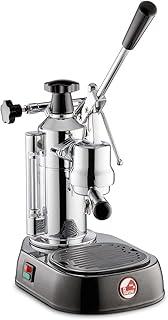 Check Price Check Price |
|
|
|
Gaggia Classic Pro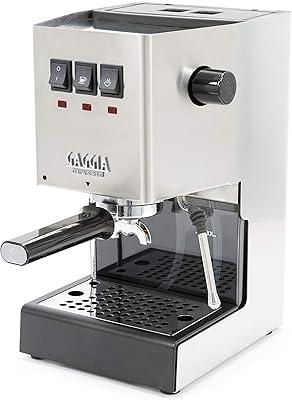 Check Price Check Price |
|
|
|
| Rancilio Silvia Espresso MachineCheck Price |
|
|
|
| Breville BES870XL Barista ExpressCheck Price |
|
|
|
| Elekta Microcasa LevaCheck Price |
|
|
|
Best Manual Coffee Machines
La Pavoni Europiccola
If you’re the type of person who enjoys mastering the art of coffee, the La Pavoni Europiccola might just be your best friend. This lever-operated beauty doesn’t just make coffee; it makes a ritual out of brewing. It has a classic, retro design that’ll give your kitchen a touch of vintage charm. While the espresso quality is top-notch, there’s a learning curve to getting the pressure just right, which means this machine isn’t for anyone in a rush. But, if you love the process, the results are absolutely worth the effort.
Features:
- Lever-operated, 8-cup capacity, chrome-plated brass, professional-grade filter portafilter, high-quality stainless steel boiler
Pros:
- Incredible espresso quality, beautiful retro design, solid build, excellent pressure control with the lever, great for coffee enthusiasts
Cons:
- Steep learning curve for beginners, requires a bit of effort and practice to perfect the shot, not the quickest option
Gaggia Classic Pro
The Gaggia Classic Pro is a fantastic choice for anyone looking to dive into espresso-making without breaking the bank. With its 15-bar pump and commercial-style portafilter, you’ll feel like you’re working in a café. It has a solid stainless steel design and heats up fast, so you can get your espresso fix in no time. It’s relatively easy to use, which is a blessing for beginners, but even seasoned coffee lovers will appreciate the quality of espresso and the steam wand for frothing milk.
Features:
- 15-bar pump, stainless steel housing, commercial-style portafilter, steam wand for frothing milk, quick heat-up time
Pros:
- Reliable performance, professional-style espresso, great steam wand for frothing, durable, easy to use for beginners and experienced baristas
Cons:
- The drip tray can fill up quickly, may require regular descaling, slightly noisy operation
Rancilio Silvia Espresso Machine
The Rancilio Silvia is a favorite among home baristas, and for good reason. It’s built like a tank with a commercial-sized portafilter and a powerful steam wand that allows you to froth milk to perfection. The 12-ounce brass boiler gives you stable temperature control, which is key for great espresso. However, it’s a bit bulky and might take up a decent amount of counter space, and if you’re new to espresso, there’s a bit of a learning curve to really get the best shot out of it.
Features:
- Rock-solid build, 12-ounce brass boiler, 58mm commercial-sized portafilter, commercial-style steam wand, large water reservoir
Pros:
- Durable and long-lasting, exceptional espresso quality, easy to clean, professional steam wand, large water capacity
Cons:
- Takes up space, slightly higher price point, requires patience and practice to get the best shot
Breville BES870XL Barista Express
For those who want everything in one machine, the Breville Barista Express is a game-changer. It’s got a built-in grinder, so you don’t have to worry about buying an additional one. The 15-bar pump, paired with the digital temperature control, makes it easier to pull a great shot every time, while the steam wand gives you decent milk frothing capabilities. It’s a little bulkier than some of the other options, and you do need to keep the grinder clean, but the overall convenience and quality of the espresso you get is hard to beat for the price.
Features:
- Built-in conical burr grinder, 15-bar pump, steam wand, digital temperature control, integrated tamping, 67-ounce water tank
Pros:
- All-in-one functionality (grinder and espresso machine in one), great value, easy to use for beginners, precise espresso extraction
Cons:
- Can be a bit bulky, requires regular cleaning of the grinder, milk frothing can be hit or miss for some users
Elekta Microcasa Leva
The Elekta Microcasa Leva is all about precision and craftsmanship. This lever machine lets you take full control of the espresso-making process, adjusting pressure as you go, which is a dream come true for any espresso purist. It’s not the easiest machine to use-think of it more as a fine-tuned instrument than a quick fix-but if you enjoy the process and want to make espresso the old-school way, this machine will not disappoint. It’s a showstopper in terms of looks, but you’ll need patience and practice to really make it sing.
Features:
- Lever-operated, brass construction, 1-liter copper boiler, adjustable pressure, retro design, built-in pressure gauge
Pros:
- Unique, hands-on brewing process, great for espresso purists, beautiful craftsmanship, excellent pressure control
Cons:
- Time-consuming to use, limited capacity, requires consistent maintenance, steep learning curve
Reasons To Choose Manual Coffee Machines
Manual coffee machines stand apart from their automatic counterparts by offering a personalized, tactile approach to brewing. Here are some of the key reasons why they are a favorite choice for many:
- Complete Control Over the Brewing Process: One of the biggest advantages of using a manual coffee machine is the level of control it provides. From adjusting the grind size of your coffee beans to choosing the right water temperature, a manual machine allows you to tweak every aspect of the brew. This level of control is invaluable for those who want to experiment with different brewing methods and perfect their coffee.
- Superior Quality of Coffee: With manual machines, you can avoid the one-size-fits-all brewing approach that automatic machines often use. By controlling the grind size, water-to-coffee ratio, and extraction time, you can fine-tune the brewing process to extract the fullest flavor from your beans. This leads to a cup of coffee that is richer, smoother, and more aromatic.
- Craftsmanship and Ritual: For many coffee lovers, brewing coffee manually is an art form. The process of carefully weighing the beans, grinding them just right, and then meticulously brewing the coffee is a satisfying ritual that enhances the overall coffee experience. This hands-on approach appeals to those who enjoy the ritual of making coffee as much as drinking it.
- Customizable and Versatile: Whether you prefer espresso, French press, pour-over, or Aeropress, a manual coffee machine can be adapted to suit a variety of brewing methods. This flexibility makes it ideal for individuals who enjoy exploring different coffee styles and methods.
- Durability and Longevity: Manual coffee machines, particularly well-built models, tend to be more durable and long-lasting than automatic machines. Many manual machines are designed with high-quality materials like stainless steel, which ensures that they can withstand years of daily use. Additionally, because these machines don’t rely on complex electronics, they often require fewer repairs and can be maintained more easily.
Buyer Guide For Manual Coffee Machines
When purchasing a manual coffee machine, it’s essential to consider several factors to ensure you select the right one for your needs. Here’s a detailed buyer’s guide to help you make an informed decision:
- Type of Coffee You Prefer: Different manual coffee machines cater to different brewing methods. For example, espresso machines are ideal for those who enjoy espresso-based drinks like cappuccinos and lattes, while French presses are better suited for those who prefer a more robust, full-bodied coffee. Determine your preferred coffee style before narrowing down your options.
- Material and Build Quality: The quality of materials used in a coffee machine significantly affects its durability and overall performance. Look for machines made of stainless steel or high-quality aluminum, which are durable and resistant to rust. Avoid plastic machines if you want a machine that will last longer and maintain its aesthetics.
- Ease of Use: While manual machines provide more control over the brewing process, they should still be easy enough to use for someone with minimal experience. Consider whether the machine offers clear instructions, whether the components are easy to adjust, and whether the machine is comfortable to operate.
- Size and Capacity: Manual coffee machines vary widely in size. If you’re brewing coffee for just one or two people, a small espresso machine or French press will suffice. However, larger models are available for those who need to brew multiple cups at a time. Keep your kitchen space and brewing habits in mind.
- Price and Brand Reputation: Manual coffee machines range from budget-friendly options to high-end professional machines. It’s essential to establish your budget before you start shopping. Additionally, reputable brands such as La Marzocco, Rancilio, and Breville are known for producing high-quality, reliable machines.
- Grinder Compatibility: If you’re brewing espresso or using a method that requires precise grind sizes, check if the manual machine is compatible with a high-quality burr grinder. Consistent and even grinds are crucial for extracting the best flavors.
Key Features To Consider
When selecting a manual coffee machine, certain features can make a significant difference in the quality of your coffee and the ease of use. Here are some key features to keep in mind:
- Pressure Control: For espresso machines, pressure is a critical factor. Look for machines that can consistently generate 9 bars of pressure for optimal espresso extraction. Machines with adjustable pressure controls allow you to experiment with different espresso profiles.
- Portafilter Size and Material: In espresso machines, the portafilter is the part where you place the coffee grounds. A larger portafilter (typically 58mm) is usually preferred, as it allows for a more even extraction. Stainless steel portafilters are more durable and heat-resistant than aluminum ones.
- Steam Wand: For those who enjoy milk-based coffee drinks like lattes and cappuccinos, a steam wand is essential. A high-quality steam wand should allow you to froth milk to the desired texture, whether you’re aiming for silky microfoam or thick foam for a cappuccino.
- Water Reservoir and Heating Element: The size and design of the water reservoir are important for convenience. A larger tank reduces the frequency of refills. The heating element should also be powerful enough to bring the water to the correct brewing temperature quickly.
- Adjustable Brew Temperature: Temperature plays a crucial role in the extraction process. Machines that offer adjustable temperature settings allow you to control the brewing temperature to suit the type of coffee you’re brewing. This feature is particularly valuable for espresso machines, where small temperature variations can make a significant difference.
Best Practices
To get the best results from your manual coffee machine, follow these best practices:
- Use Fresh, Quality Beans: Always use fresh, high-quality coffee beans. The coffee’s flavor will be significantly affected by the freshness and quality of the beans. Grind your beans just before brewing to maintain their flavor and aroma.
- Measure Your Coffee and Water: Consistency is key in brewing the perfect cup. Use a scale to measure both your coffee grounds and water, maintaining the ideal ratio. A standard ratio is typically 1:15 (coffee to water) for pour-over and French press, but this may vary depending on your preferred strength.
- Pre-wet Your Coffee Grounds: When brewing with methods like pour-over or espresso, pre-wetting your coffee grounds can help achieve a more even extraction. This is known as blooming and helps release carbon dioxide, improving the flavor.
- Monitor Brewing Time: Pay close attention to your brewing time. Over-extraction can lead to bitterness, while under-extraction may result in a weak, sour taste. Use a timer to ensure you’re hitting the sweet spot.
- Experiment and Adjust: One of the joys of using a manual coffee machine is the ability to experiment. Play with variables such as grind size, water temperature, and brew time to find the flavor profile that suits you best.
Maintenance And Cleaning Guidelines
Proper maintenance and cleaning are essential to keep your manual coffee machine in top working condition. Follow these guidelines:
- Clean After Every Use: After each use, clean the portafilter, group head, and other components. This prevents coffee oils from building up and affecting the flavor of future brews.
- Descale Regularly: Depending on your water quality, you may need to descale your machine every 1-3 months to remove mineral buildup. This is particularly important for espresso machines.
- Replace Parts as Needed: Over time, components like seals, gaskets, and filters may wear out. Replacing these parts regularly ensures your machine continues to operate at its best.
- Store in a Dry Place: After cleaning, allow your machine to dry thoroughly before storing it. This prevents the growth of mold or mildew.
Best Places To Buy Manual Coffee Machines
When it comes to purchasing a manual coffee machine, there are several reputable retailers and online platforms to consider:
- Specialized Coffee Shops: High-end coffee shops often sell manual coffee machines, especially those focused on quality and craftsmanship. These shops may also offer expert advice and allow you to try before you buy.
- Online Retailers: Websites like Amazon, Specialty Coffee, and CoffeeGeek offer a wide range of manual coffee machines with detailed reviews from other users. You can also find competitive pricing and often discounts.
- Direct from Manufacturers: Many coffee machine manufacturers, such as Breville, Rancilio, and La Marzocco, sell their machines directly from their websites. This can be a great option if you want access to the latest models and exclusive deals.
Wrapping Up
Choosing the right manual coffee machine involves understanding your brewing preferences, knowing what features to look for, and being willing to invest time into the art of coffee brewing. Whether you’re seeking to refine your espresso-making skills or want to explore alternative brewing methods like French press or pour-over, manual coffee machines offer an unparalleled level of customization and control.