
Best Manual Pour Over Coffee Makers (KEY FACTORS)
By Jamie — Coffee Equipment Reviewer | Last Updated on February 16, 2026
Note: This page contains affiliate links. As an Amazon Associate, I earn from qualifying purchases when you click on the link, but you are not charged extra.
The world of coffee brewing is vast, filled with an array of methods that cater to all tastes, preferences, and expertise levels. Among the most revered techniques for brewing a perfect cup is the manual pour-over method, a process that, despite its simplicity, offers unparalleled control and precision. For coffee enthusiasts who truly appreciate the art of brewing, using a manual pour-over coffee maker is more than just a way to get caffeine; it’s a ritual, a moment to focus and perfect a brew that can highlight the full range of flavors from the beans. In this detailed guide, we’ll dive deep into why manual pour-over coffee makers are beloved, explore the key factors to consider when purchasing one, and provide essential tips for making the most out of this classic brewing method.
Best Manual Pour Over Coffee Makers: Comparison Table
| Features | Pros | Cons | |
|---|---|---|---|
Hario V60 Ceramic Coffee Dripper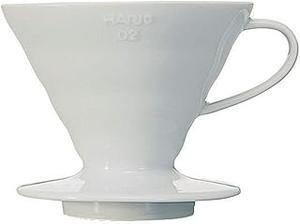 Check Price Check Price |
|
|
|
Chemex Classic Series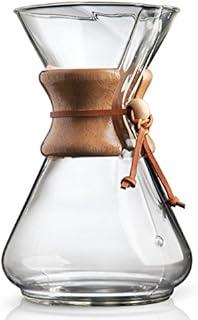 Check Price Check Price |
|
|
|
Kalita Wave 155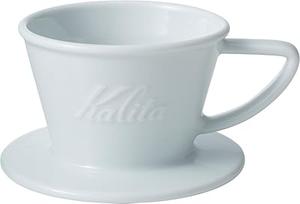 Check Price Check Price |
|
|
|
Bodum Pour Over Coffee Maker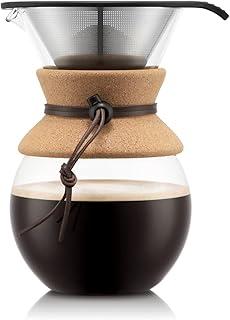 Check Price Check Price |
|
|
|
| Tiamo Glass Pour Over Coffee MakerCheck Price |
|
|
|
Best Manual Pour Over Coffee Makers
Hario V60 Ceramic Coffee Dripper
The Hario V60 is a classic in the pour-over world, and it’s beloved for a reason. It’s made of ceramic, which helps retain heat during brewing, making your coffee taste rich and flavorful. The V60’s iconic conical shape and multiple holes at the bottom allow for precise control of the brew rate, which means you get to play around with how strong or light you want your cup. While it’s affordable, it does require a bit of skill to get the perfect brew, and you’ll need to invest in the special paper filters that fit it.
Features:
- Ceramic material
- Available in different sizes
- Conical shape
- Multiple hole design
Pros:
- Affordable
- Great temperature retention
- Precise control over brew speed
- Long-lasting durability
Cons:
- Requires a special paper filter
- Needs attention to brewing technique
Chemex Classic Series
The Chemex is like the Rolls-Royce of pour-over coffee makers. Not only does it brew an exceptional cup of coffee, but it also looks stunning on your countertop. The unique, thicker paper filters help remove more oils, giving you a clean, crisp, and flavorful cup. The included wooden collar makes handling easy, but keep in mind it’s glass, so you’ll need to handle it carefully. If you’re looking for something that both performs and looks amazing, the Chemex is a winner.
Features:
- Elegant glass design
- Wood collar for easy handling
- Thicker paper filters
- Various sizes
Pros:
- Beautiful and functional
- Produces clean and crisp coffee
- Easy to use
- No need for special filters
Cons:
- Glass material makes it fragile
- Requires a bit more coffee grounds due to thick filters
Kalita Wave 155
If you’re looking for consistency and a balanced cup, the Kalita Wave 155 is perfect. Its flat-bottom design and three small holes at the bottom ensure that water flows evenly through your coffee grounds, giving you a smooth, even brew every time. It’s especially forgiving, making it great for beginners who are just learning the pour-over ropes. While it’s easy to use, it does require Kalita’s specific paper filters, which can be a slight hassle if you’re used to more generic ones.
Features:
- Flat-bottom design
- Three small holes at the bottom
- Stainless steel or glass versions
- Easy to use
Pros:
- Produces a balanced cup
- Forgiving brewing technique
- Durable materials
- Great for beginners and pros alike
Cons:
- Needs Kalita-specific filters
- Not as versatile for experimenting as other drippers
Bodum Pour Over Coffee Maker
The Bodum Pour Over Coffee Maker is all about simplicity and style. The built-in filter system means you don’t need paper filters, making it both eco-friendly and easy to clean. Its rubber grip ensures your hands don’t burn, and the borosilicate glass carafe looks sleek. It’s a very straightforward option that will brew a solid cup without too many bells and whistles, perfect for someone who wants the basics without sacrificing quality. Just keep in mind that the glass can be fragile if you’re not careful.
Features:
- Glass carafe
- Integrated filter system
- Rubber grip for ease of pouring
- Borosilicate glass
Pros:
- Affordable
- No paper filters needed
- Simple to use
- Stylish design
Cons:
- Glass is fragile
- Can have slight mess if not poured carefully
Tiamo Glass Pour Over Coffee Maker
If you’re into smaller, high-quality brews, the Tiamo Glass Pour Over is a great choice. It’s made of heat-resistant glass, so it won’t crack under hot water, and the wooden handle makes it easy to grip. Its wide base gives it a sturdy feel, ensuring no spills. It’s perfect for making small batches of coffee with a clean taste, but if you’re brewing for more than one person, you might find the capacity a bit limiting. It’s slower than some, but its elegant design and ease of cleaning make it a charming addition to any coffee lover’s collection.
Features:
- Heat-resistant glass
- Wooden handle for comfort
- Wide base for stability
- Compact design
Pros:
- Great for small batches
- Elegant design
- Easy to clean
- Durable
Cons:
- Smaller capacity
- Can be a little slower than others
Reasons To Choose Manual Pour Over Coffee Makers
Manual pour-over coffee makers offer an experience that is both hands-on and intimate. Unlike automatic coffee machines, which often lack the personal touch and flexibility, manual pour-over brewing allows you to have complete control over each step of the process. Here are a few reasons why you might want to choose a manual pour-over coffee maker:
- Customization: Manual brewing lets you control almost every aspect of the process-water temperature, pour speed, grind size, and the amount of water used. This level of control allows you to extract the full potential from your coffee beans, tailoring each brew to your personal taste preferences.
- Better Flavor: Because manual pour-over allows for precise water distribution and extraction, you’re likely to experience a more vibrant, clean cup of coffee. The ability to pour water slowly and evenly over the coffee grounds promotes an even extraction, which enhances the flavor profile.
- Less Expensive Than Automatic Machines: While high-end automatic coffee machines can run into the hundreds or even thousands of dollars, manual pour-over coffee makers are relatively affordable. Some high-quality models can be purchased for a fraction of the cost of an automatic espresso machine or drip coffee maker.
- Mindful Brewing: For many, the process of brewing coffee manually is meditative. It encourages a level of mindfulness that automatic machines simply can’t match. The focus on pouring, timing, and watching the coffee bloom adds to the ritual, turning it into a calming daily routine.
- Portability and Simplicity: Many manual pour-over coffee makers are compact and portable, making them ideal for travel, camping, or office use. There’s no need for electricity, just your coffee beans, water, and a steady hand.
Buyer Guide For Manual Pour Over Coffee Makers
When looking to purchase a manual pour-over coffee maker, it’s important to consider the different options available, as each model has its own strengths and potential drawbacks. Here’s a step-by-step guide on how to navigate your choices:
-
Materials: The materials of the coffee maker can affect both the taste of your coffee and the durability of the device.
- Glass: Glass pour-over coffee makers allow you to see the brewing process, offering a visual connection to your coffee. They also don’t affect the flavor of your coffee as metal might. However, they can be fragile.
- Ceramic: Ceramic models are more durable and retain heat well, keeping your coffee at an optimal temperature during brewing. They also offer excellent heat distribution.
- Stainless Steel: Stainless steel pour-over makers are known for their durability and heat retention. While they may not offer the same visual appeal as glass or ceramic, they are built to last.
- Shape and Size: Pour-over coffee makers come in a variety of shapes, and the size can impact how much coffee you can brew at once. The classic cone-shaped design is ideal for a smaller batch, while a flat-bottom design can promote a more even extraction. Choose the size based on how much coffee you typically brew.
- Ease of Use: Some pour-over coffee makers come with built-in features such as drippers or funnel attachments that simplify the brewing process. If you’re just starting, a beginner-friendly design can make a significant difference in your experience. Consider whether you want a fully manual experience or one that has a bit more convenience built in.
- Filter Type: The filter is a crucial component of the pour-over process. Most pour-over coffee makers use paper filters, but some models use reusable metal filters. Paper filters typically produce a cleaner, crisper cup, while metal filters allow more oils and finer particles to pass through, resulting in a fuller-bodied brew.
- Price: Prices for manual pour-over coffee makers vary depending on the brand, material, and features. Entry-level options are affordable, while high-end models (especially those made from premium materials like borosilicate glass or high-grade stainless steel) can be more expensive. Determine your budget and consider what features are essential for your brewing preferences.
Key Features To Consider
When evaluating manual pour-over coffee makers, keep in mind these key features that influence both the brewing process and the end result:
- Dripper Design: Look at the shape of the dripper. Conical drippers (such as the Hario V60) direct the water through a single channel, allowing the water to flow down more slowly. This can enhance the extraction of the coffee. Flat-bottom drippers (like the Chemex) encourage water to spread more evenly across the coffee grounds, which can result in a different flavor profile.
- Brewing Capacity: Consider how much coffee you want to brew at a time. Some manual pour-over coffee makers are designed to brew just one cup at a time, while others can handle multiple servings (up to 8-10 cups or more). If you’re brewing coffee for a group, look for a larger capacity model.
- Heat Retention: Heat retention is crucial for the brewing process. Some materials, such as ceramic or insulated stainless steel, are better at retaining heat than glass, which can affect the consistency and quality of the brew.
- Ease of Pouring: A well-designed spout allows for a steady, controlled pour. Some manual coffee makers have spouts that are shaped to promote an even flow of water over the grounds, which is critical to achieving a consistent brew.
- Included Accessories: Some manual pour-over coffee makers come with additional accessories like filters, stands, or measuring scoops. These extras can add value and convenience, particularly for beginners.
Best Practices
To achieve the best possible cup of coffee, following these best practices for manual pour-over brewing is essential:
- Use Fresh, Quality Beans: The key to great coffee starts with high-quality, fresh beans. Buy whole beans and grind them just before brewing to preserve their flavor. The grind size should be medium to medium-fine, depending on the pour-over style you choose.
- Water Temperature: The water temperature should be between 195°F and 205°F (90-96°C). Too hot or too cold water can negatively affect the extraction, leading to a sour or bitter taste.
- Even Pouring: Pour the water slowly and steadily in a circular motion, ensuring even saturation of the coffee grounds. Start with a small amount of water to allow the coffee to “bloom” (release carbon dioxide) before continuing with the rest of the water.
- Brewing Time: The entire pour-over process should take about 3 to 4 minutes. Longer brewing times can lead to over-extraction, while shorter times may result in under-extraction and weak flavors.
- Experiment and Adjust: Since manual pour-over brewing offers such control, don’t be afraid to experiment with water temperature, grind size, and pouring technique. Adjust these variables based on the results you’re getting to refine your brewing technique.
Maintenance And Cleaning Guidelines
To keep your manual pour-over coffee maker performing at its best, proper maintenance and cleaning are necessary:
- Daily Cleaning: After each use, rinse the coffee maker with warm water to remove coffee oils and grounds. If your maker has a removable filter, clean it regularly to prevent buildup of oils or residue.
- Deep Cleaning: Every week or so, give your coffee maker a deeper clean. Use a mixture of vinegar and water or a mild dish detergent to soak the parts. Rinse thoroughly afterward.
- Filter Care: If you’re using paper filters, discard them after use. For reusable metal filters, clean them thoroughly to prevent clogs from coffee oils and grounds.
- Drying: Allow your coffee maker to dry completely after cleaning. This prevents mold or mildew from developing, particularly in humid environments.
Best Places To Buy Manual Pour Over Coffee Makers
When looking for a manual pour-over coffee maker, there are several trusted places to shop:
- Specialty Coffee Shops: High-end coffee retailers and online shops like Blue Bottle Coffee and Stumptown Coffee Roasters often carry premium manual pour-over coffee makers along with the necessary accessories.
- Online Retailers: Websites like Amazon, Etsy, and Williams Sonoma feature a wide selection of brands and models, often with customer reviews to help guide your decision.
- Local Cafes and Roasteries: Some local coffee shops and roasteries carry brewing equipment, often featuring products that their baristas swear by.
- Direct from Manufacturers: Brands like Hario, Chemex, and Kalita offer their products directly through their websites, ensuring that you get the latest models and deals.
Wrapping Up
Choosing the right manual pour-over coffee maker can transform your daily coffee ritual into a sensory experience. By understanding the features, materials, and best practices, you can elevate your coffee brewing skills and create a perfect cup of coffee each time.