
Best Non-plastic Coffee Makers (KEY FACTORS)
By Jamie — Coffee Equipment Reviewer | Last Updated on January 19, 2026
Note: This page contains affiliate links. As an Amazon Associate, I earn from qualifying purchases when you click on the link, but you are not charged extra.
Coffee has long been cherished as a daily ritual, a comforting beverage that starts the day for millions of people. However, in today’s age of increasing awareness about environmental impact, sustainability, and health, coffee enthusiasts are seeking alternatives to traditional coffee makers that often use plastic components. Non-plastic coffee makers, which are typically made from materials such as glass, stainless steel, ceramic, and bamboo, have gained prominence due to their eco-friendly nature and health-conscious benefits.
The shift toward non-plastic coffee makers not only helps minimize exposure to chemicals that may leach from plastics but also promotes sustainability by reducing reliance on single-use plastics. In addition, these coffee makers bring a level of elegance, craftsmanship, and purity to the coffee brewing process, appealing to those who value both taste and a cleaner environment.
This article will explore why non-plastic coffee makers are an excellent choice, guide you through the process of selecting the best model, highlight key features, and provide maintenance tips to ensure your coffee maker lasts for years. If you are looking to make an informed decision, this comprehensive guide will equip you with all the necessary knowledge.
Best Non-plastic Coffee Makers: Comparison Table
| Features | Pros | Cons | |
|---|---|---|---|
Chemex Classic Series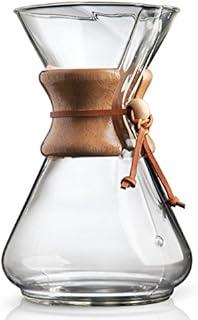 Check Price Check Price |
|
|
|
| Espro Press P7Check Price |
|
|
|
| Bodum Brazil French PressCheck Price |
|
|
|
| Hario V60 Ceramic Drip Coffee BrewerCheck Price |
|
|
|
| Stanley Adventure All-in-One Coffee SystemCheck Price |
|
|
|
Best Non-plastic Coffee Makers
Chemex Classic Series
The Chemex Classic Series is a stunning, high-quality coffee maker that combines beauty and function. Made entirely of glass with a wooden collar to protect your hands from heat, it brews coffee with smooth, clean flavors. The design is iconic and feels almost like a work of art, making it a favorite for coffee enthusiasts who enjoy a slower, more deliberate brewing process. However, the glass construction means you need to be extra careful, as it’s not the most rugged option. Plus, the paper filters add a bit of cost over time.
Features:
- Glass construction
- Non-toxic wood collar for handling
- Simple, elegant design
- Brews up to 10 cups
Pros:
- Great tasting coffee
- Beautiful, iconic design
- Brews coffee evenly
- No plastic parts involved
Cons:
- Requires paper filters (which can be an ongoing cost)
- Delicate glass can break easily
- Takes a bit more time and effort to brew
Espro Press P7
The Espro Press P7 is the perfect upgrade from your typical French press, with a sophisticated stainless steel build and a dual micro-filter system that ensures your coffee is smooth and free of grit. Thanks to its double-walled design, it also keeps your coffee hot for much longer than a typical glass press. It’s a bit on the expensive side, but if you’re looking for high-end quality and durability, it’s worth the investment. Just keep in mind, it requires a little more care and cleaning than other options.
Features:
- Stainless steel construction
- Dual micro-filter system
- Double-walled for heat retention
- Capacity: 32 oz (about 4 cups)
Pros:
- Brews clean, sediment-free coffee
- Thermal insulation keeps coffee hot
- Durable stainless steel construction
- Sleek, modern design
Cons:
- Expensive
- Requires more cleaning and maintenance
- Doesn’t have the same ’classic’ vibe as other brewers
Bodum Brazil French Press
The Bodum Brazil French Press is an affordable, user-friendly choice for anyone who wants a straightforward, no-fuss brewing experience. Its glass beaker is housed in a sturdy stainless steel frame, so it’s durable enough for daily use (though, like all glass coffee makers, a little cautious handling goes a long way). It brews coffee that’s full-bodied and flavorful, but you do have to be a bit mindful of the grind size to avoid over-extraction. A solid option if you want something reliable without spending too much.
Features:
- Glass beaker with a stainless steel frame
- Plunger mechanism for brewing
- Capacity: 34 oz (4 cups)
- Dishwasher safe
Pros:
- Affordable
- Brews rich, full-bodied coffee
- Simple to use
- Durable and easy to clean
Cons:
- Glass can break if dropped
- Plastic lid (though this doesn’t touch the coffee)
- Can be tricky to get the grind size just right
Hario V60 Ceramic Drip Coffee Brewer
The Hario V60 Ceramic Drip Coffee Brewer is a must-have for pour-over coffee lovers. With its classic, no-frills design, this brewer gives you total control over your coffee’s flavor profile. The ceramic construction helps with heat retention, and its cone shape promotes even extraction, resulting in clean, flavorful cups. It’s a little more hands-on than an automatic machine, so it’s best suited for coffee aficionados who like to control every step of the brewing process. Plus, you’ll need to grab some paper filters separately, but it’s a small price to pay for great coffee.
Features:
- Ceramic construction
- Conical shape for even extraction
- Manual pour-over method
- Available in various sizes (1-4 cups)
Pros:
- Makes clean, flavorful coffee
- Simple and classic pour-over method
- Very durable ceramic build
- Portable and compact
Cons:
- Requires attention and practice
- Can be slow
- Needs separate filters (paper)
Stanley Adventure All-in-One Coffee System
The Stanley Adventure All-in-One Coffee System is a rugged, versatile coffee maker made for people who love the outdoors (or just need something durable for daily life). With its stainless steel body and built-in French press plunger, you can brew coffee directly in the mug and keep it hot for hours thanks to the double-wall insulation. It’s not the most refined option in terms of brewing precision, but if you need something tough and practical, it’s a fantastic pick. Just be aware that it’s a bit bulky if you’re planning on using it at home every day.
Features:
- Stainless steel construction
- Built-in French press plunger
- Capacity: 1.1L (37 oz)
- Double-wall insulation
Pros:
- Extremely durable
- Great for outdoor use
- Keeps coffee hot for hours
- All-in-one system (brewer + mug)
Cons:
- A bit bulky for everyday use
- Not as precise as a dedicated brewing system
- Some users report a bit of sediment in the coffee
Reasons To Choose Non-plastic Coffee Makers
- Health Benefits: One of the most compelling reasons to choose non-plastic coffee makers is health. Many plastics, particularly those used in low-quality coffee machines, can release harmful chemicals such as BPA (Bisphenol A), phthalates, and other toxins when exposed to high temperatures. These chemicals can leach into your coffee, potentially affecting the taste and posing long-term health risks. Non-plastic materials like stainless steel, glass, and ceramic don’t pose this risk, ensuring that your coffee is brewed without the interference of harmful substances.
- Environmental Impact: Plastics are among the most persistent pollutants on the planet. While many plastic coffee makers are recyclable, the majority still end up in landfills or the ocean, contributing to the plastic pollution crisis. By choosing non-plastic coffee makers, you’re making a conscious decision to reduce your environmental footprint. Materials like stainless steel and glass are durable, reusable, and recyclable, making them a much more sustainable option in the long run.
- Better Taste and Purity: Non-plastic coffee makers do not interfere with the taste of your coffee. Unlike plastic, which can sometimes impart a “plastic-like” flavor, materials such as stainless steel and glass are inert and do not affect the quality of your brew. This purity is especially important for coffee connoisseurs who value every subtle note in their coffee.
- Durability: Non-plastic coffee makers are often more durable than their plastic counterparts. Stainless steel, for example, is resistant to corrosion and scratches, and glass is inherently strong and easy to clean. These materials are designed to last longer, providing value for money over time. Non-plastic coffee makers are built to withstand daily use and the high temperatures involved in brewing coffee, which means they can offer years of reliable service.
- Aesthetic Appeal: Many non-plastic coffee makers, such as glass or ceramic drip coffee makers, have a visually pleasing and elegant design. The timeless look of a well-crafted coffee maker made from these materials can be an attractive addition to your kitchen. Furthermore, the natural tones of stainless steel, glass, and ceramic can complement a wide variety of kitchen styles.
Buyer Guide For Non-plastic Coffee Makers
When shopping for a non-plastic coffee maker, there are several important factors to consider to ensure you choose the right one for your brewing needs. Here’s a detailed guide to help you make the best choice:
- Material: The most common non-plastic materials for coffee makers are stainless steel, glass, and ceramic. Stainless steel is durable, resistant to corrosion, and often has a modern, sleek look. Glass offers an elegant, transparent design that lets you see the brewing process. Ceramic has a more classic, vintage appeal and retains heat well.
- Brewing Method: Consider the type of brewing method you prefer. Non-plastic coffee makers are available in various types, such as drip coffee makers, pour-over devices, French presses, and espresso machines. Choose one that aligns with your preferred brewing method and coffee strength. For example, a French press made from glass or stainless steel is ideal for a bold, full-bodied brew, while a pour-over coffee maker allows for more control over the brewing process.
- Capacity: Coffee makers come in a range of sizes, from single-serve to large-capacity machines. Think about how much coffee you typically brew in a day. If you often entertain guests or have a large household, a larger model may be suitable. For individual use, a compact, single-serve model may be all you need.
- Ease of Cleaning: Non-plastic coffee makers are generally easier to clean than plastic ones. Look for models that have removable parts such as filters, carafes, or reservoirs that can be washed easily. Glass and stainless steel coffee makers are especially easy to clean because they don’t absorb stains or odors.
- Price: Non-plastic coffee makers can vary in price depending on the material, brand, and features. Glass and ceramic models tend to be more affordable, while high-end stainless steel coffee makers may be pricier. Consider your budget and weigh it against the durability and features of the coffee maker.
- Reputation and Reviews: Before purchasing, read reviews from other customers to see how the coffee maker performs in real-life scenarios. A reputable brand with positive feedback will provide you with greater peace of mind regarding the product’s quality and reliability.
Key Features To Consider
- Temperature Control: Temperature plays a crucial role in coffee extraction. Look for a coffee maker with a precise temperature control feature. Consistent brewing temperature ensures optimal extraction and a better-tasting cup of coffee. Some high-end coffee makers have built-in thermostats to keep the water at the ideal brewing temperature.
- Filter Type: Different coffee makers use various filter systems. Some models feature permanent stainless steel filters, which are reusable and eco-friendly. Others may require paper filters, which are disposable. Stainless steel filters are more sustainable and can provide a fuller-bodied cup of coffee, while paper filters are convenient for easy cleanup.
- Carafe Material: The carafe is the container that holds the brewed coffee. Look for one made from glass or stainless steel, as both materials retain heat and preserve the flavor of your coffee. Stainless steel carafes tend to retain heat longer, while glass carafes allow you to see the coffee brewing.
- Size and Design: Choose a non-plastic coffee maker that fits your kitchen space. Compact models are great for those with limited counter space, while larger models are suitable for families or offices. A stylish design will also make a difference in how your coffee maker integrates with your kitchen decor.
- Ease of Use: Some non-plastic coffee makers come with advanced features such as programmable timers, automatic shut-off, or brew-strength control. These added features can make your coffee-making experience more convenient and customizable.
Best Practices
To get the best performance from your non-plastic coffee maker, follow these tips:
- Pre-warm Your Equipment: Pre-warming your coffee maker (especially if it’s made of glass or ceramic) can help maintain the brewing temperature and ensure optimal extraction.
- Use Fresh, Quality Coffee Beans: Non-plastic coffee makers are an excellent choice for highlighting the flavors of high-quality, freshly ground coffee beans. Invest in a good grinder and buy beans from reputable sources to enhance the overall coffee experience.
- Experiment with Brewing Time: Different coffee makers require different brewing times. Experiment with different grind sizes, water temperature, and brew times to discover the perfect method for your preferred coffee strength.
- Use Filtered Water: For the best taste, use filtered water in your non-plastic coffee maker. Hard water or water with strong mineral content can alter the flavor of your coffee.
Maintenance And Cleaning Guidelines
Proper care and maintenance are crucial for extending the lifespan of your non-plastic coffee maker. Here’s how to keep it in top shape:
- Regular Cleaning: Clean your coffee maker after every use to prevent coffee oils and residue from building up. Most non-plastic coffee makers can be cleaned with warm water and mild soap. For models with removable parts, wash these separately to remove any lingering coffee grounds or oils.
- Descale Periodically: If you use hard water, mineral deposits can accumulate over time. Descale your coffee maker every 3 to 6 months using a descaling solution or a mixture of vinegar and water.
- Avoid Abrasive Cleaners: Non-plastic materials like stainless steel and glass can scratch easily. Avoid using abrasive sponges or harsh chemicals, as they may damage the surface or affect the coffee’s taste.
- Store Properly: When not in use, store your coffee maker in a dry, cool place. Avoid exposing it to direct sunlight, which can degrade the materials over time.
Best Places To Buy Non-plastic Coffee Makers
- Specialty Coffee Retailers: Many coffee retailers offer high-quality non-plastic coffee makers, such as specialty shops dedicated to premium brewing equipment.
- Online Marketplaces: Websites like Amazon, Etsy, and specialty coffee websites offer a wide range of options, complete with customer reviews to help guide your decision.
- Local Kitchenware Stores: Visit local kitchenware stores or home goods stores for a hands-on shopping experience. Many brick-and-mortar stores offer non-plastic coffee makers, allowing you to see and feel the products in person.
Wrapping Up
Non-plastic coffee makers offer a wealth of benefits, from better health and environmental impact to superior coffee quality. By considering key factors such as material, brewing method, and capacity, you can choose the right model that aligns with your preferences. Maintaining your non-plastic coffee maker through regular cleaning and care will ensure that you enjoy a top-notch cup of coffee for years to come.