
Best Non-toxic Coffee Makers (KEY FACTORS)
By Jamie — Coffee Equipment Reviewer | Last Updated on January 25, 2026
Note: This page contains affiliate links. As an Amazon Associate, I earn from qualifying purchases when you click on the link, but you are not charged extra.
Coffee has become an integral part of our daily routines, with millions of people around the world relying on it for that early-morning boost of energy. However, as our awareness about health and sustainability increases, many are beginning to question not just the quality of the coffee they consume, but also the materials and processes used in brewing it. In response to this shift, non-toxic coffee makers have gained popularity, offering a healthier, environmentally conscious alternative to traditional coffee-making devices.
Non-toxic coffee makers are designed to minimize exposure to harmful chemicals that could leach into your coffee during the brewing process. These machines are made from materials that are free from BPA (bisphenol A), phthalates, and other potentially harmful substances commonly found in plastic components. As people seek to reduce their exposure to toxins in all aspects of life, choosing a non-toxic coffee maker is a natural step toward a healthier lifestyle. In this guide, we will delve into the reasons to opt for non-toxic coffee makers, the key features to look for, how to maintain and clean them properly, and the best places to purchase them.
Best Non-toxic Coffee Makers: Comparison Table
| Features | Pros | Cons | |
|---|---|---|---|
Technivorm Cup-One Coffee Brewer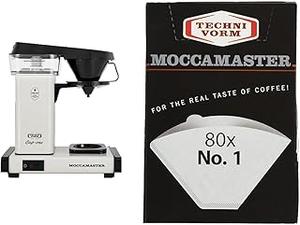 Check Price Check Price |
|
|
|
Breville Bambino Plus Espresso Machine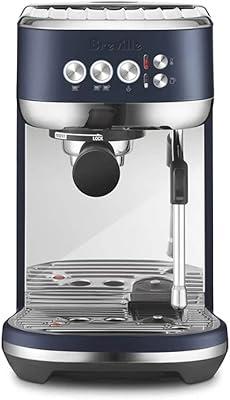 Check Price Check Price |
|
|
|
Chemex Classic Series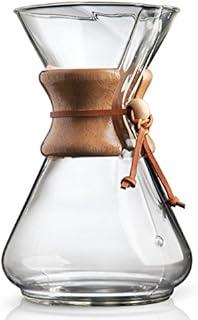 Check Price Check Price |
|
|
|
| AeroPress Coffee MakerCheck Price |
|
|
|
| Keurig K-Elite Single Serve Coffee MakerCheck Price |
|
|
|
Best Non-toxic Coffee Makers
Technivorm Cup-One Coffee Brewer
The Technivorm Cup-One is an absolute gem for anyone who loves their coffee fresh and clean, without the worry of plastic chemicals leaching into the brew. It’s made with high-quality copper and stainless steel, ensuring your cup of coffee is free from harmful chemicals. The beauty of it is in its simplicity-just pop in your grounds, press a button, and enjoy a perfect cup every time. Sure, it’s pricey for a single-serve machine, but its longevity and no-plastic design make it a worthy investment for health-conscious coffee lovers.
Features:
- BPA-free
- Made of copper and stainless steel
- Hot water delivered at optimal brewing temperature (200°F)
- No plastic contact with coffee
Pros:
- Brews a single cup
- Durable and built to last
- Simple to use
- No plastic leaching into coffee
Cons:
- Expensive for a single-serve machine
- Limited to one cup at a time
Breville Bambino Plus Espresso Machine
If you’re an espresso aficionado, the Breville Bambino Plus is a powerhouse in a compact, non-toxic form. Made of stainless steel with no BPA, this machine delivers professional-level espresso with perfect crema, and it’s surprisingly easy to use for beginners. The automatic steam wand ensures you get the perfect froth every time. The only drawback is that it’s a little expensive, and you’ll need to grab a separate grinder, but the quality you get is well worth the price.
Features:
- BPA-free
- Stainless steel body
- Automatic steam wand
- Compact design
Pros:
- High-end espresso at home
- Fast heat-up time
- Durable
- Easy to clean
Cons:
- A bit on the pricey side
- No grinder included
Chemex Classic Series
The Chemex Classic Series isn’t just a coffee maker; it’s a statement piece for your kitchen. It’s crafted from non-toxic borosilicate glass, which means no plastic contaminants in your coffee, and its iconic hourglass design makes brewing feel almost like a ritual. The Chemex produces wonderfully clean, smooth coffee thanks to its thick paper filters. However, it’s a manual brew method, so you’ll need to carve out a little more time, and you’ll have to purchase special Chemex filters.
Features:
- Made of non-toxic, borosilicate glass
- Wood collar for easy handling
- No plastic parts
- Uses thick paper filters for purity
Pros:
- Elegant design
- No plastic contact with coffee
- Produces clean, smooth coffee
- Durable glass
Cons:
- Requires special filters
- Manual brewing can be time-consuming
AeroPress Coffee Maker
The AeroPress is one of the most beloved coffee makers around, especially for folks who value portability and ease. Though it’s made from plastic, it’s BPA-free, and you can avoid the plastic taste by using the included metal filter instead of paper ones. It’s perfect for travelers or anyone looking to brew a quick, fresh cup without a lot of fuss. The only catch is that it’s a manual brew method, so you’ll need a little effort, and it only makes one or two cups at a time.
Features:
- Made of BPA-free plastic
- Compact and portable
- Uses pressure to brew coffee
- No paper filters needed with metal filter option
Pros:
- Affordable
- Lightweight and portable
- Quick brewing
- No plastic taste with metal filter
Cons:
- Doesn’t make large quantities
- Requires some manual effort
Keurig K-Elite Single Serve Coffee Maker
For those who need a convenient, no-hassle coffee maker, the Keurig K-Elite offers just about everything you need. It’s BPA-free and made with some stainless steel, offering a strong brew option and even an iced coffee setting for those hot days. The K-Elite is ideal for busy folks who don’t want to deal with a complicated machine. However, while it’s fast and efficient, it’s not as eco-friendly as some other options due to its reliance on K-Cups, and there’s still some plastic in the construction, so it’s not entirely toxin-free.
Features:
- BPA-free
- Stainless steel accents
- Strong brew setting
- Iced coffee brewing option
- Multiple cup sizes
Pros:
- Convenient
- Customizable brewing
- Good for a variety of coffee types
- Easy to clean
Cons:
- Not as eco-friendly as some options
- Plastic parts
Reasons To Choose Non-toxic Coffee Makers
As the demand for healthier, eco-friendly products increases, non-toxic coffee makers have emerged as a strong contender for those who prioritize both their personal well-being and environmental sustainability. Here are some compelling reasons to choose non-toxic coffee makers:
-
Health Benefits
The most obvious reason to switch to a non-toxic coffee maker is to avoid the potential health risks associated with chemicals commonly found in traditional coffee makers. Many plastic coffee machines contain harmful substances such as BPA, a synthetic compound known to interfere with hormone regulation, potentially leading to fertility issues, neurological damage, and an increased risk of certain cancers. Non-toxic coffee makers are made with safer materials, providing peace of mind that your morning cup won’t come with hidden health risks.
-
Environmental Impact
Non-toxic coffee makers are often crafted with sustainable, eco-friendly materials that are less harmful to the environment. Unlike traditional plastic, which can take hundreds of years to decompose, many non-toxic coffee makers are made from stainless steel, glass, or BPA-free plastics, materials that are either recyclable or biodegradable. Choosing a non-toxic coffee maker is one small but impactful step toward reducing your carbon footprint and minimizing waste.
-
Taste Purity
The materials used in non-toxic coffee makers can also affect the taste of your coffee. Some plastic materials may impart an undesirable plastic taste, which can negatively influence the flavor of your coffee. Non-toxic coffee makers made from glass, stainless steel, or ceramic materials preserve the purity of the coffee’s flavor, ensuring that what you’re drinking is a true reflection of the beans you’ve chosen.
-
Longevity And Durability
Non-toxic coffee makers are often built to last longer than their plastic counterparts. Materials like stainless steel or high-quality glass are highly durable, making non-toxic coffee makers a long-term investment. These materials are not only better for your health but are also less likely to degrade over time, ensuring that your coffee maker remains a reliable part of your morning routine for years.
-
Safer For Your Family
For households with young children or pets, the potential hazards of traditional coffee makers should not be overlooked. Many non-toxic coffee makers feature safer designs, with materials that are less likely to pose a health risk if accidentally consumed or ingested by curious hands or paws.
Buyer Guide For Non-toxic Coffee Makers
When shopping for a non-toxic coffee maker, there are several key factors to consider to ensure you select the right one for your needs. Here are some essential considerations when buying a non-toxic coffee maker:
-
Material Composition
The materials used to construct the coffee maker are the most crucial factor to consider. Look for coffee makers made from stainless steel, glass, or BPA-free plastics. These materials not only ensure the safety of your coffee but also contribute to the machine’s overall durability and longevity. Avoid coffee makers with plastic components that come into contact with hot water or coffee, as these are more likely to leach harmful chemicals.
-
Type Of Coffee Maker
Non-toxic coffee makers come in various forms, such as drip coffee makers, French presses, pour-over coffee makers, and espresso machines. Consider the type of coffee you enjoy most and the brewing method you prefer. For example, if you like the rich, full-bodied taste of French press coffee, a non-toxic French press made from borosilicate glass or stainless steel would be a great choice. If you prefer drip coffee, look for a non-toxic drip machine with stainless steel or glass components.
-
Size And Capacity
Consider how much coffee you typically brew in one sitting. Some non-toxic coffee makers are designed for single servings, while others can brew multiple cups at once. If you often entertain guests or need to brew coffee for a larger household, opt for a coffee maker with a larger capacity.
-
Ease Of Cleaning
A non-toxic coffee maker should be easy to clean and maintain. Machines with fewer parts or simple designs tend to be easier to clean, while more complex espresso machines or high-tech models may require more effort and attention. Look for coffee makers that are dishwasher-safe or easy to disassemble for cleaning.
-
Price Range
Non-toxic coffee makers come in a wide range of prices, depending on the brand, material, and features. While higher-quality coffee makers made from stainless steel or glass may be more expensive initially, they can save you money in the long run due to their durability and longer lifespan. Set a budget based on your needs, but keep in mind that investing in a high-quality non-toxic coffee maker is often worthwhile.
Key Features To Consider
When choosing a non-toxic coffee maker, several features can enhance your brewing experience. Here are the most important aspects to keep in mind:
-
Temperature Control
Consistent water temperature is crucial for brewing the perfect cup of coffee. Many modern coffee makers feature adjustable temperature settings, allowing you to fine-tune the brew to your liking. Non-toxic coffee makers with this feature provide greater control over the brewing process, leading to a better-tasting cup.
-
Brewing Time
The length of time the water is in contact with the coffee grounds affects the strength and flavor. Non-toxic coffee makers with adjustable brewing times give you more flexibility, allowing you to experiment with different brew strengths and find your ideal cup.
-
Programmable Features
Some non-toxic coffee makers come with programmable settings that let you set a specific time for the coffee to start brewing. This feature is perfect for those who want to wake up to freshly brewed coffee without having to do anything.
-
Energy Efficiency
Energy-efficient coffee makers not only save you money on your electricity bill but are also more eco-friendly. Look for coffee makers with automatic shut-off features or those that use less energy overall.
-
Water Filtration
Water quality is crucial for great-tasting coffee. Some non-toxic coffee makers include built-in water filtration systems that improve the water quality, removing impurities and ensuring a cleaner, better-tasting cup.
Best Practices
To get the most out of your non-toxic coffee maker, follow these best practices:
-
Use Fresh, Filtered Water
Always use fresh, filtered water for brewing coffee to enhance the flavor and ensure the longevity of your coffee maker. Avoid using tap water with a high mineral content, as this can build up inside the machine and affect both the taste and performance.
-
Store Your Coffee Beans Properly
To preserve the flavor of your coffee, store your beans in an airtight container in a cool, dark place. Avoid storing them in the fridge or freezer, as this can cause moisture buildup and negatively impact the flavor.
-
Avoid Overfilling The Filter
Overfilling the coffee filter can result in uneven extraction and a less-than-optimal brew. Follow the recommended guidelines for your specific coffee maker and use the appropriate amount of coffee grounds.
-
Use The Right Grind Size
The grind size of your coffee beans should match the brewing method. For instance, French presses require a coarse grind, while drip coffee makers typically need a medium grind. Using the correct grind size ensures the best extraction and flavor.
Maintenance And Cleaning Guidelines
Proper maintenance is key to extending the life of your non-toxic coffee maker. Follow these guidelines to keep your machine in top shape:
-
Regular Cleaning
Clean your coffee maker regularly to prevent the buildup of coffee oils, mineral deposits, and mold. For most non-toxic coffee makers, this involves cleaning the carafe, filter basket, and any removable parts with warm water and mild dish soap.
-
Descale Your Coffee Maker
Mineral buildup can occur over time, especially in areas with hard water. To prevent this, descale your coffee maker every 3-6 months using a mixture of white vinegar and water or a descaling solution specifically designed for coffee makers.
-
Check Seals And Filters
Inspect the seals and filters regularly to ensure they are in good condition. Replace any worn-out filters or seals to maintain the efficiency and safety of the machine.
Best Places To Buy Non-toxic Coffee Makers
When looking for a non-toxic coffee maker, there are several reputable places to buy from:
-
Specialty Coffee Shops
High-quality coffee shops often carry a selection of premium coffee makers, including non-toxic models. Staff at these shops can offer expert advice on the best non-toxic coffee makers for your needs.
-
Online Retailers
Websites like Amazon, Wayfair, and Overstock offer a wide variety of non-toxic coffee makers, with detailed customer reviews to help you make an informed decision.
-
Brand Websites
Many brands that specialize in non-toxic coffee makers, such as Behmor, Technivorm, and Fellow, offer direct-to-consumer sales through their websites. Purchasing directly from the brand ensures you’re getting an authentic, high-quality product.
-
Eco-Friendly Stores
Stores dedicated to sustainable living, like The Green Depot or EarthHero, often carry non-toxic, eco-friendly coffee makers. These retailers prioritize ethically made products that are better for the environment and your health.
Wrapping Up
Choosing a non-toxic coffee maker is a smart investment for both your health and the environment. By selecting a machine made from safe materials like stainless steel, glass, or BPA-free plastic, you can enjoy your morning coffee without worrying about harmful chemicals leaching into your brew. With the right maintenance and care, a non-toxic coffee maker can become a staple in your home for years to come, delivering delicious, toxin-free coffee every day.